In the ever-evolving landscape of industrial automation, selecting the right components is critical. The DC Gear Motor stands out as a vital element, used widely in applications such as robotics and conveyor systems. According to a recent market report, the demand for gear motors is projected to grow at a CAGR of 6.5%, reaching $16.5 billion by 2026. This growth underscores the importance of making informed choices when investing in these essential components.
The performance and reliability of a DC Gear Motor can vary significantly among manufacturers. Specific metrics, such as torque ratings and efficiency, play a crucial role in this evaluation. It’s not just about cost; evaluating durability and energy consumption is essential. Buyers must critically analyze these factors to avoid costly mistakes. Some brands may promise high performance but fail to deliver in real-world applications.
As global buyers navigate their choices, awareness of the latest advancements is paramount. Innovations in materials and technology are continually reshaping the DC Gear Motor market. This dynamic environment poses challenges; staying informed allows companies to remain competitive. Ultimately, understanding these elements fosters better decision-making in selecting the best DC Gear Motor for diverse applications.
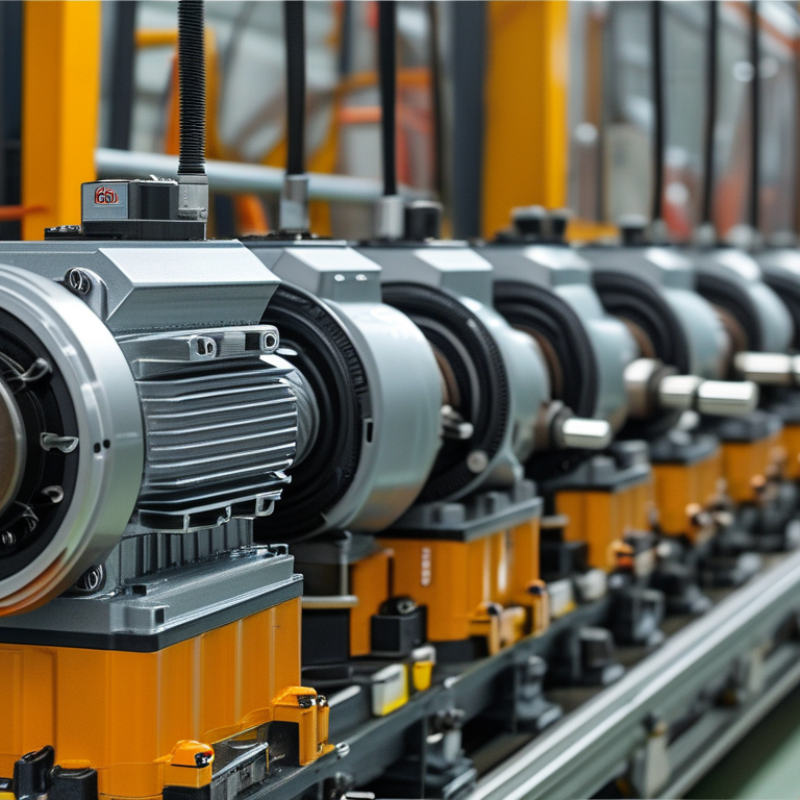
Overview of DC Gear Motors in 2026
In 2026, DC gear motors continue to be essential in various applications. Their efficiency and reliability make them popular among manufacturers. With advancements in technology, these motors are becoming smaller and more powerful. Designers are favoring compact solutions without sacrificing quality.
Innovations are driving improvements in torque and speed control. Many motors now offer better performance due to enhanced materials. However, some users still face challenges in integration. Not every motor fits seamlessly into existing systems. It's vital to assess compatibility before purchasing.
Sustainability is becoming a focus area. Manufacturers are exploring eco-friendly materials and processes. This shift raises questions about durability and cost. Buyers must weigh these factors carefully. Despite the improvements, some issues remain, prompting ongoing discussions among engineers. Evaluating options thoroughly ensures smarter investments in the long run.
Key Features to Look for in DC Gear Motors
When selecting a DC gear motor, several key features warrant attention. A critical factor is the motor's torque. Torque is essential for determining the motor's ability to perform a task under load. Reports indicate that higher torque levels can improve efficiency in applications ranging from robotics to automotive systems.
Speed regulation is another important feature. A well-regulated speed helps maintain optimal performance in dynamic systems. Variability in speed might lead to decreased operational efficiency. It's advisable to choose motors that offer a reliable speed range. Industry studies suggest that motors with precise speed control can increase productivity by up to 20%.
Consider the motor’s dimensions and weight. Compact designs often lead to easier integration into limited spaces. However, lighter motors may compromise on torque. The balance between size and performance is crucial. Be cautious; a poorly chosen gear motor can lead to increased maintenance and operational costs.
Tip: Always evaluate the motor's thermal performance. Excess heat can lead to inefficiencies. Opt for gear motors with effective heat dissipation features.
Tip: Analyze feedback from users. Real-world experiences provide insights that specifications may not cover. Ensure the data you review is from credible sources.
Top Brands in the DC Gear Motor Market
The DC gear motor market is evolving rapidly. According to recent industry reports, the global DC gear motor market is projected to grow significantly, reaching USD 8 billion by 2026. This increase is fueled by the rising demand for automation across various sectors, including automotive, robotics, and consumer electronics. As a buyer, selecting the ideal gear motor means evaluating key brands known for reliability and performance.
Top brands typically emphasize efficiency and longevity in their products. Research shows that efficiency ratings can differ by more than 10% among various manufacturers. Selecting a motor with a higher efficiency can lead to savings in energy costs. Look for manufacturers that provide detailed specifications on torque, speed, and operational lifespan. Understanding these details can enhance decision-making.
Tip: Always review user feedback and professional assessments before purchasing. Diverse experiences can reveal potential issues overlooked in marketing materials. It’s critical to consider not just the performance of the motor, but also its support and servicing options.
Gear motors are not flawless. Some may find installation challenging, and compatibility with existing systems varies. Knowing potential challenges can save time and costs. Researching brands helps ensure you invest wisely, as the right choice can make a substantial difference in operational success.
Applications of DC Gear Motors Across Industries
DC gear motors play a vital role in numerous industries. They are essential for applications that require precise motion control. In manufacturing, these motors drive conveyor belts, robotic arms, and packing machines. According to a recent report by MarketsandMarkets, the global DC motor market is expected to reach USD 12.23 billion by 2026, fueled by increased automation.
In the automotive sector, these motors enable power windows, seat adjustments, and electronic braking systems. They contribute to enhanced safety and comfort. A study by Allied Market Research forecasts a compound annual growth rate (CAGR) of 6.81% in automotive applications for electric motors from 2021 to 2028. This trend highlights the increasing reliance on DC gear motors.
Medical devices also benefit from these motors. They provide reliable movement for surgical instruments and diagnostic equipment. However, these systems require thorough testing. Quality control is crucial, as improper function can lead to serious consequences. Manufacturers face challenges ensuring consistency and reliability, particularly with high-precision applications.
Considerations for Choosing a DC Gear Motor Supplier
When selecting a DC gear motor supplier, consider several critical factors. The reliability of the supplier is paramount. Research shows that over 30% of motor failures stem from poor supplier performance. Ensure the supplier has a proven track record in terms of product quality and reliability.
Check the company's experience in the industry. A supplier with over a decade of expertise often offers deeper insights into customer needs. Their familiarity with various applications allows them to provide tailored solutions. Furthermore, certifications from recognized organizations can indicate their commitment to quality and standards.
Tip: Look for case studies or testimonials from previous clients. They can provide insights into the supplier's capabilities and reliability.
Examine their range of products and customization options. A flexible supplier can adapt gear motors to specific requirements, enhancing performance. However, beware of suppliers that promise overly broad capabilities. They might lack the specialized knowledge required for your application.
Tip: Request detailed specifications and test data. This will help assess their motors against industry benchmarks.
FAQS
: The growth is driven by increasing demand for automation in sectors like automotive and robotics.
Higher efficiency ratings lead to lower energy costs and better long-term savings.
Buyers should check torque, speed, and operational lifespan specifications from manufacturers.
User feedback reveals potential issues and performance concerns that marketing may not address.
Installation can be challenging, and compatibility with existing systems may vary among models.
They drive conveyor belts, robotic arms, and packing machines in manufacturing processes.
These motors operate power windows, seat adjustments, and enhance electronic braking systems.
Improper function in medical devices can have serious consequences, making reliability crucial.
Ensuring consistency and reliability is difficult, especially in high-precision environments.
Research brands and user experiences to understand the possible challenges before purchasing.
Conclusion
In 2026, the market for DC Gear Motors continues to evolve, reflecting advancements in technology and increased demand across various industries. An overview of DC Gear Motors highlights their significance in providing controlled speed and torque, making them ideal for applications in robotics, automotive, and home appliances. Key features to consider when selecting a DC Gear Motor include efficiency, size, and specific gear ratios that suit different operational needs.
As global buyers seek reliable solutions, it's essential to identify reputable suppliers offering high-quality DC Gear Motors. The diverse applications of these motors underscore their importance, driving industries to innovate and enhance performance. By understanding the latest trends and maintaining a focus on essential features, buyers can make informed decisions that align with their project's requirements and ensure optimal performance in their chosen applications.
 Vortex Motor
