Vortex Motor
In the rapidly evolving landscape of miniature electric devices, Miniature DC Motors play a pivotal role. According to a report by MarketsandMarkets, the global miniature motor market is expected to reach $XX billion by 2026, highlighting the increasing demand across various sectors. These compact powerhouses find applications in robotics, medical devices, and consumer electronics, demonstrating their versatility and significance.
The trend towards miniaturization is becoming more pronounced. Engineers are constantly seeking smaller, more efficient motors to provide optimal performance. This shift is driven by advancements in materials and manufacturing processes. However, selecting the right Miniature DC Motors can be challenging due to the wide range of specifications and performance characteristics available. It is essential to evaluate factors like torque, speed, and operational life, which can directly impact the performance of the end product.
Moreover, quality assurance remains a critical topic in this industry. While many manufacturers claim high efficiency, discrepancies in performance often emerge in real-world applications. This raises important questions about reliability and durability. Buyers must carefully assess suppliers to mitigate risks and ensure that selected motors meet their performance considerations effectively.
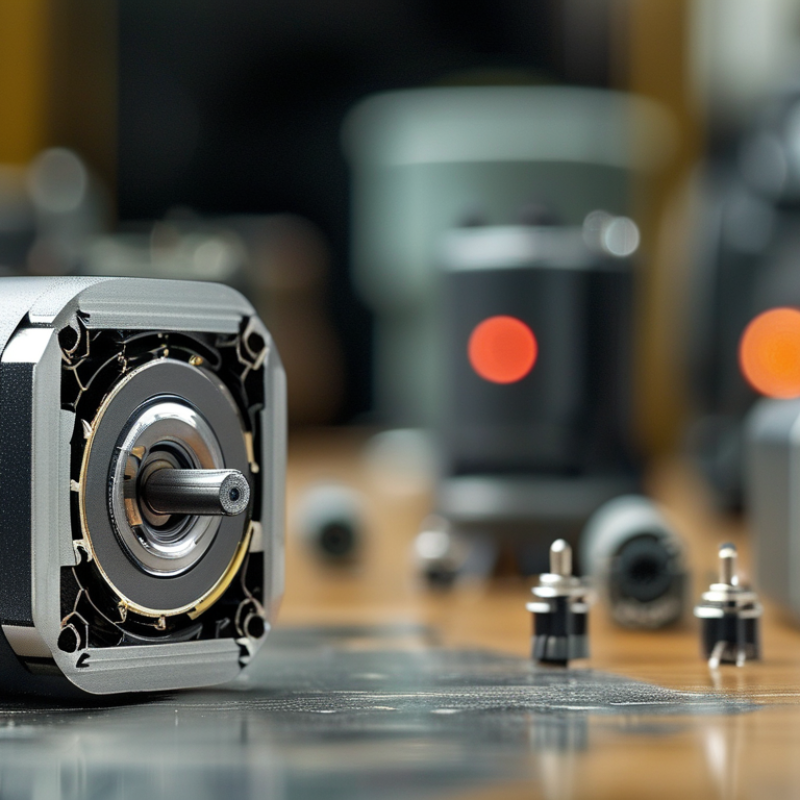
Miniature DC motors are vital in various applications. From small gadgets to robotics, their versatility is unmatched. Industry reports state that the global miniature motor market is projected to grow significantly, reaching approximately $5 billion by 2026. This growth reflects the increasing demand in consumer electronics and automotive sectors.
Types of miniature DC motors include brushed, brushless, and coreless versions. Each type serves unique applications. Brushed motors are common in low-cost devices. They provide simplicity and efficiency but may have limited lifespan. Brushless motors, on the other hand, are favored in high-performance applications. Their longer life and lower maintenance needs stand out. Coreless motors excel in precision tasks, making them ideal for medical devices.
Tip: When selecting a miniature DC motor, consider your specific application requirements. Efficiency, size, and torque are crucial factors. Make sure to evaluate performance metrics. Some users overlook these aspects, leading to suboptimal choices. Always cross-reference technical specifications with real-world needs to avoid issues.
When selecting miniature DC motors, several key features must be considered. The size and weight of the motor are paramount for applications in tight spaces. According to industry standards, a miniature DC motor can weigh as little as 10 grams and still deliver a performance of 1000 RPM. Torque ratings are vital, as they determine how well the motor performs under load. A motor with a torque rating of 20 mNm is often suitable for small devices like drones or robotics.
Speed control is another significant factor. Many buyers prefer DC motors with an integrated speed controller. Reports indicate that motors with various speed options can enhance performance flexibility, especially in robotic and automotive applications. Additionally, the type of brush used in the motor impacts durability and efficiency. For instance, brushless motors offer longer life spans and lower maintenance needs. However, they can be more challenging to integrate into existing systems.
Temperature tolerance is critical too. Motors that can withstand higher operational temperatures reduce the risk of failure in harsh environments. A report from the International Electromechanical Commission highlights that 30% of motors fail due to overheating. A reliable miniature DC motor should ideally operate efficiently up to 85°C. Many buyers overlook this aspect, risking system reliability.
When choosing miniature DC motors, buyers should consider several brands and models that excel in various applications. Reliability is key. Look for features such as low noise, durability, and efficient power consumption. The market offers options suitable for robotics, toys, and small appliances.
Tips: Always check specifications carefully. Sometimes, payload limits are not obvious. Pay attention to the size and weight specifications as well. Motors that are too large or small can lead to inefficiencies.
Another crucial factor to consider is the motor's performance in specific environments. Some models may struggle with heat or humidity. It’s essential to evaluate how different brands perform under varying conditions. Reading user reviews can provide insights.
Tips: Don’t overlook the support services offered. Brands with robust customer service can make a significant difference if you face issues post-purchase. It's beneficial to consider compatibility with other components in your project, as mismatches can cause delays.
When choosing miniature DC motors, understanding performance metrics is crucial. These metrics include speed, torque, and efficiency.
Speed is typically measured in RPM (revolutions per minute) and reflects how quickly the motor can turn. This is vital for applications requiring precise movements, such as robotics. Torque, measured in ounce-inches, determines the motor’s ability to perform work. High torque means the motor can handle heavier loads.
Efficiency is another critical factor. It indicates how effectively the motor converts electrical energy into mechanical energy. A motor with high efficiency uses less power, reducing operational costs. However, achieving high performance across all metrics can be challenging. Some motors may excel in speed but lag in torque. Others may save energy but sacrifice power output.
A thoughtful approach can lead to better choices. Buyers should consider their specific needs and might compromise on certain metrics to achieve a balanced performance. Monitoring the real-world application can provide insights into these trade-offs. Each motor's behavior is influenced by its design and application. This variation often prompts engineers to rethink their choices and priorities, ensuring optimal performance for their unique requirements.
The miniature DC motor market is evolving rapidly, influenced by diverse applications in robotics, automotive, and consumer electronics. According to a recent market research report, the global demand for miniature DC motors is projected to grow at a CAGR of 7.5% through 2026. This growth is driven by increasing automation and a push for compact designs. Manufacturers are focusing on improving energy efficiency and reducing size without compromising power.
Future trends indicate a shift towards advanced materials in miniature DC motor production. These materials can enhance performance and extend lifespan. Reports show that 30% of motor failures are due to material weaknesses. Innovations like brushless technology are also gaining traction. These motors offer longer operating life and less maintenance. While costs may be higher, the value proposition becomes clear over extended use.
Countries like China and Germany are leading this innovation journey. Their focus on robotics and electric vehicles catalyzes demand. However, the market also faces challenges. Supply chain disruptions and fluctuating raw material costs could affect growth. Companies need to navigate these hurdles to maintain a competitive edge. Addressing these concerns is crucial for sustainable development in this sector.
| Motor Type | Voltage Range (V) | Rated Speed (RPM) | Torque (mNm) | Efficiency (%) | Market Demand (1-10) | Future Trend |
|---|---|---|---|---|---|---|
| Coreless Motor | 3-12 | 3000 | 4.5 | 85 | 9 | Increased miniaturization and integration with IoT |
| Brush Motor | 6-24 | 2000 | 10 | 75 | 8 | Advancements in brushless technology |
| Planetary Gear Motor | 12-36 | 1500 | 20 | 80 | 7 | Growing demand in robotics and automation |
| Stepper Motor | 5-30 | 1000 | 15 | 70 | 9 | Increased use in CNC machines and 3D printers |
: Miniature DC motors are used in gadgets, robotics, and consumer electronics. Their versatility is essential in many applications.
The main types are brushed, brushless, and coreless. Each type serves different applications and has unique advantages.
Brushed motors are simple and cost-effective but have a limited lifespan. Brushless motors last longer and require less maintenance.
Consider size, weight, torque, and speed control. These factors impact performance and suitability for specific applications.
Torque determines how well the motor can perform work under load. A higher torque rating is better for heavier applications.
Ideally, motors should operate efficiently up to 85°C. Many users overlook overheating risks, which can lead to failure.
High efficiency means less power consumption. This can significantly reduce operational costs over time, which is often underestimated.
Metrics like speed and torque help you understand a motor's capabilities. Some users may focus too much on one metric, risking overall performance.
Balancing metrics is crucial. Some may excel in speed but lack torque. Consider your specific needs for the best choice.
Yes, real-world conditions can influence how well a motor works. Monitoring how a motor performs can provide valuable insights.
Miniature DC Motors are compact yet powerful devices utilized across various applications, from robotics to consumer electronics. Understanding the different types and their respective applications is crucial for buyers. When selecting miniature DC motors, several key features should be considered, including size, torque, voltage, and efficiency.
As we look ahead to 2026, several brands and models stand out for their performance and reliability. A comparative analysis of these miniature DC motors reveals essential metrics such as speed, durability, and power consumption, aiding global buyers in making informed decisions. Additionally, future trends indicate advancements in technology and increasing market demand, signaling a promising landscape for miniature DC motor innovations.
