Vortex Motor
In recent years, the automotive market in China has demonstrated significant growth, becoming a focal point for global buyers. According to the China Association of Automobile Manufacturers (CAAM), sales of new energy vehicles alone surpassed 6 million units in 2022. This trend positions China as a leader in both the manufacturing and consumption of vehicles. Understanding the market dynamics is crucial for international stakeholders looking to invest.
The “Top Sell Motors” category reveals key insights into consumer preferences and industry shifts. Brands like BYD and Tesla have captivated the market, reflecting a blend of innovation and sustainability. Additionally, the focus on electric vehicles (EVs) continues to reshape the landscape. Data shows that EV sales in China constituted nearly 30% of the total automotive market in 2022. Yet, challenges persist, including supply chain issues and the need for infrastructure improvements.
As global buyers explore options, recognizing the nuances within the Chinese market is essential. The responsible buyer must not only consider sales numbers but also brand reputation and long-term viability. The evolving preferences call for deeper insights, as pleasure and practicality must align for genuine consumer satisfaction.
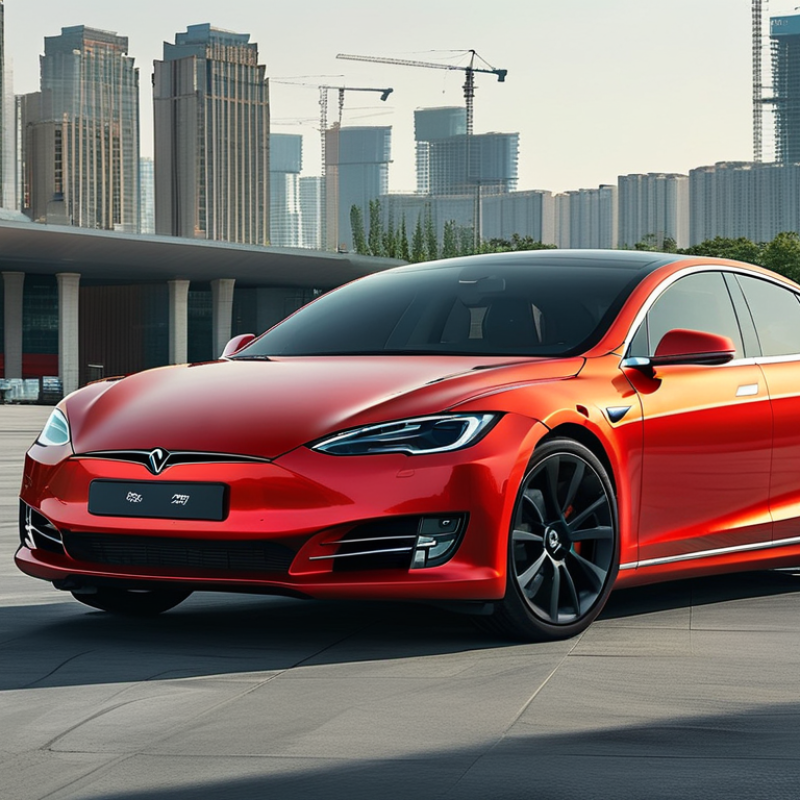
The Chinese automotive market is rapidly evolving, showcasing trends that captivate global buyers. In recent years,
electric vehicles (EVs) are gaining significant traction.
As cities face pollution challenges, consumers prefer cleaner options. This shift drives manufacturers to innovate and
update their product lines.
The demand for smart technology in vehicles is also noteworthy. Consumers
expect seamless connectivity features. Additionally, safety remains a
top priority, influencing buying decisions. Cars equipped with advanced safety systems appeal to families.
Tips: Research market trends regularly. Understand regional preferences for better decisions. Stay informed about emerging technologies. Highlight the importance of quality over quantity when considering vehicle choices. Changes in policies may also affect market dynamics, so being adaptable is key.
China is a key player in the global motor market. With a combination of advanced manufacturing capabilities and innovative technologies, it leads various motor segments. Recent reports show that China’s motor industry is projected to grow at a CAGR of 7.1% over the next five years. This growth reflects an increasing demand for electric and hybrid vehicles, driven by environmental concerns.
Several major manufacturers dominate the market, focusing on performance and sustainability. They are investing heavily in research and development. Features like energy efficiency and smart connectivity are becoming standard. This shift is crucial as consumers demand more from their vehicles. According to data from industry analysts, 60% of buyers prioritize eco-friendly features.
Tips: When considering a purchase, research local regulations regarding emissions. It’s vital to understand the maintenance requirements for the motor you choose. Additionally, explore options available for financing to optimize your budget.
While the market is promising, challenges remain. Quality control issues can affect customer satisfaction. Many buyers also express concerns about after-sales service. Addressing these areas is essential for long-term growth. Understanding these nuances can help navigate the evolving landscape of China’s motor industry effectively.
In recent years, consumer preferences have increasingly shaped the motor market in China. Buyers look for efficiency, affordability, and advanced features. As a result, electric and hybrid vehicles are gaining traction. These options align with a growing interest in sustainable practices. Many consumers are also considering the aesthetic appeal of vehicles. A sleek design can sway choices, especially among younger buyers.
In China, price sensitivity plays a significant role in purchase decisions. Motors with competitive pricing generally see higher sales. However, buyers also seek quality and reliability. This dual focus can create a dilemma for manufacturers. Producing affordable vehicles while maintaining high standards is a balancing act.
Tips: To navigate this market, buyers should prioritize personal needs over trends. Test drives can reveal much about a vehicle’s performance. Additionally, researching consumer reviews can provide insights into long-term satisfaction. Ultimately, understanding these consumer preferences can enhance purchasing decisions.
| Rank | Motor Type | Sales Volume (Units) | Market Share (%) | Average Price (USD) |
|---|---|---|---|---|
| 1 | Electric Motor | 1,200,000 | 30 | 5,000 |
| 2 | Gasoline Engine | 1,000,000 | 25 | 7,000 |
| 3 | Hybrid Motor | 800,000 | 20 | 15,000 |
| 4 | Diesel Engine | 600,000 | 15 | 10,000 |
| 5 | Compressed Air Motor | 400,000 | 10 | 3,000 |
| 6 | Solar Motor | 300,000 | 8 | 9,000 |
| 7 | Brushless DC Motor | 200,000 | 5 | 4,000 |
| 8 | Step Motor | 150,000 | 4 | 6,500 |
| 9 | AC Motor | 100,000 | 3 | 8,000 |
| 10 | Servo Motor | 50,000 | 2 | 12,000 |
Chinese motor manufacturers are shaping global markets. According to recent industry reports, China holds over 35% of the global motor export market. This presents a remarkable opportunity for international buyers seeking reliable and affordable options.
Exporting motors from China can significantly reduce costs. The production scale in China leads to lower prices, benefiting global businesses. Reports suggest that businesses can save up to 20% compared to sourcing from other countries. However, buyers must conduct thorough research on suppliers to avoid potential challenges, such as quality inconsistencies.
Many Chinese manufacturers are enhancing their product standards. Certification processes are becoming more stringent. Collaboration with international testing agencies is on the rise. This trend indicates a commitment to quality. Yet, buyers should remain vigilant. Issues like supply chain disruptions can occur. Understanding these factors is essential for making informed purchasing decisions. Global buyers need to balance cost with quality and reliability when considering Chinese motors.
The future of motors in China is dynamic and innovative. With electric vehicles (EVs) on the rise, motors are evolving rapidly. Data from the China Association of Automobile Manufacturers indicates that EV sales reached over 3 million units in 2022. This surge underscores a shift in consumer preferences and technology.
New innovations are leading to more efficient and powerful motors. For instance, recent advancements in magnetic materials enhance performance while reducing energy loss. Reports suggest that permanent magnet motors can achieve efficiencies up to 96%, a remarkable improvement. However, challenges remain, such as sourcing raw materials sustainably.
Manufacturers are increasingly investing in smart technologies. The integration of IoT allows motors to communicate with other systems, optimizing performance. Yet, the industry grapples with cybersecurity risks. As reliance on technology grows, so does the potential for vulnerabilities, highlighting an area in need of attention. Balancing innovation with security will be essential for sustainable growth in this sector.
: Consumers prioritize efficiency, affordability, and advanced features when choosing vehicles. Electric and hybrid options are preferred.
Aesthetic appeal significantly affects choices. Younger buyers are particularly influenced by sleek and modern designs.
Price sensitivity is crucial. Competitive pricing often leads to increased sales, but quality and reliability matter as well.
Buyers should prioritize personal needs, take test drives, and research consumer reviews for insights on satisfaction.
China accounts for over 35% of the global motor export market, offering international buyers reliable and affordable options.
Exporting motors can cut costs significantly, with savings up to 20% compared to other countries.
While many manufacturers are improving quality standards, buyers must research suppliers to avoid quality inconsistencies.
Innovations like electric vehicles and improvements in magnetic materials are driving efficiency and power in motors.
Sustainable sourcing of raw materials remains a challenge that needs ongoing attention in the industry.
Smart technologies and IoT integration improve performance, but they also introduce cybersecurity risks that require careful management.
The Chinese automotive market is experiencing significant growth and evolution, characterized by trends that highlight a shift towards innovative and efficient vehicles. "Top Sell Motors" in China are defined by their leading manufacturers that focus on advanced features and technology, catering to the evolving preferences of consumers. Factors such as fuel efficiency, safety, and connectivity are driving sales, making the market highly competitive and dynamic.
For global buyers, there is substantial export potential in tapping into this thriving market. Understanding consumer preferences and market trends will enable foreign buyers to make informed decisions about which "Top Sell Motors" to invest in. As we look to the future, innovations in electric vehicles and autonomous driving technology are set to redefine the landscape of the automotive industry in China, promising exciting opportunities for both manufacturers and buyers alike.
