Vortex Motor
In the evolving landscape of automation, servo motors have become indispensable. As a cornerstone of precise motion control, these compact devices power numerous applications across various industries. According to Dr. Emily Carter, an expert in robotics and motion systems, "Choosing the right servo motor can significantly enhance system efficiency." This insight underscores the importance of careful selection in this competitive field.
The market is abundant with options, making decisions challenging. Factors such as torque, speed, and feedback systems must be considered. Each application may require distinct specifications, leading to various choices among global buyers. High-performance servo motors often come with advanced features, yet the price can be a barrier. Finding a balance between cost and functionality is essential for many companies.
While technological advancements continue to improve servo motors, challenges remain. Users often encounter issues like compatibility and integration with existing systems. It is crucial to address these concerns to maximize performance and longevity. As the servo motor industry grows, reflecting on these complexities will help buyers make informed decisions.
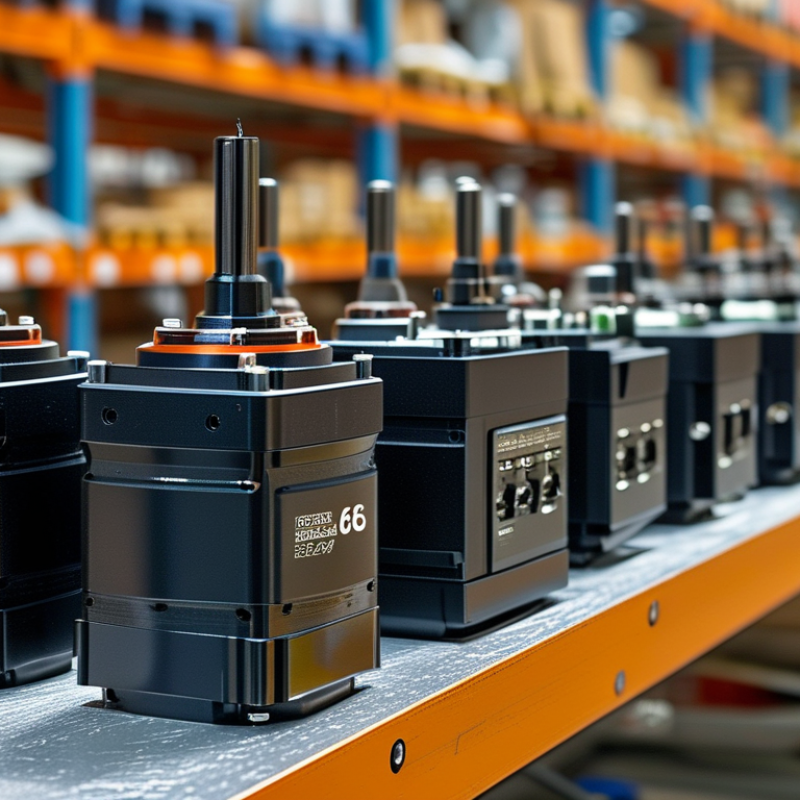
In 2026, global buyers will find an array of innovative servo motors to enhance their operations. Various top brands are emerging, focusing on precision and reliability. These motors play a significant role in automation, robotics, and manufacturing processes. Buyers should start evaluating different options carefully. Consider factors like performance, cost-efficiency, and compatibility with existing systems.
When exploring brands, look for those that have stood the test of time. The best manufacturers often invest in research and development. They strive to incorporate the latest technology into their products. Advanced features may include enhanced torque control and energy efficiency. It’s essential to balance cutting-edge features with practical applications. Not every new technology will fit every need.
Customers should also reflect on their specific requirements. Engagement with providers can reveal valuable insights. Understanding how each motor performs in different environments can aid decision-making. Trial runs or smaller purchases might be necessary for assessment. This approach may reduce risks and ensure optimal fit for diverse applications.
When considering the best servo motors for global buyers in 2026, key features stand out. Precision and accuracy are crucial. Some reports indicate that servo motors with a resolution greater than 12 bits provide significantly better performance in applications requiring fine movement control. In high-speed operations, motors that offer a quick response time of under 20 milliseconds are highly recommended.
Another important aspect is the torque output. Data highlights that servo motors with a stall torque exceeding 0.5 Nm are more efficient for industrial automation. Compatibility is also vital. Many applications benefit from motors that can easily integrate with existing systems, ensuring seamless operation.
Reliability plays a significant role. Research suggests that servo motors with an MTBF (Mean Time Between Failures) of over 20,000 hours are considered dependable. However, even with these metrics, engineers must continually assess the performance under actual workload conditions. This reflection helps in refining the selection process. The balance between quality and cost often leads to discussions on long-term investment versus upfront savings.
In 2026, selecting the right servo motor is influenced by multiple market trends. One important factor is energy efficiency. As industries aim to reduce their carbon footprint, servo motors with higher energy efficiency ratings are becoming increasingly popular. These motors not only save energy but also reduce operational costs over time. This shift is essential for companies seeking sustainability.
Another significant trend is the rise of automation and robotics. As factories embrace smart technology, the demand for precise and reliable servo motors grows. Features like real-time connectivity and advanced control systems are now essential. These advancements improve productivity and enhance the overall performance of automated processes. Buyers must consider these modern capabilities to stay competitive in a rapidly changing landscape.
Cost considerations also play a vital role. While budget constraints remain a reality, the long-term investment perspective is shifting. Many buyers prioritize quality and durability over initial costs, recognizing that a reliable motor can lead to fewer breakdowns. However, choosing a motor based solely on price without evaluating performance could lead to regret later. Engaging with industry experts can help buyers navigate these complexities effectively.
| Motor Type | Max Torque (Nm) | Speed (RPM) | Power (kW) | Application |
|---|---|---|---|---|
| AC Servo Motor | 3.5 | 3000 | 5.0 | Robotics, CNC Machines |
| DC Servo Motor | 2.0 | 2500 | 2.5 | Conveyor Systems, Packaging |
| Stepper Motor | 1.5 | 2000 | 1.0 | 3D Printers, Textile Machines |
| Servo Drive | 4.0 | 3500 | 6.0 | Automation, Industrial Equipment |
When evaluating leading servo motor models, several critical factors emerge. Torque, speed, and precision are essential attributes. Recent industry reports indicate that the demand for high-torque servo motors is projected to grow by 6% annually until 2026. This growth reflects the rising need for automation across various sectors, including manufacturing and robotics. Buyers must assess whether the torque ratings meet their applications' specific requirements.
A comparative analysis shows variations in response times between models. Some motors boast a response time under 10 milliseconds, which is impressive for applications requiring fast adjustments. However, not all models deliver this performance consistently. Reliability is another concern, as some servo motors experience wear over time, affecting their longevity. A report by a reputable industrial engineering firm noted that nearly 15% of users reported reliability issues with certain models within the first year. Understanding these disparities helps buyers make informed decisions tailored to their operational needs.
In recent years, the demand for servo motors has surged across various sectors globally. The industrial automation landscape is evolving rapidly. According to a report by MarketsandMarkets, the servo motor market is projected to reach over $12 billion by 2026. These motors play a vital role in applications such as robotics, CNC machinery, and conveyor systems. Their precision and efficiency make them indispensable in manufacturing processes.
The automotive industry is a major user of servo motors. They enhance performance and accuracy in assembly lines and vehicle subsystems. Servo motors are also increasingly used in the medical field for surgical robots and imaging devices. In aerospace, they control various components with high reliability. However, the integration of these motors requires careful consideration of system compatibility and power requirements.
Choosing the right servo motor can be complex. Factors such as torque, speed, and feedback mechanisms can significantly impact performance. Seek expert advice when selecting motors for specific applications. Testing different configurations is essential; what works in one scenario may not fit another. Keep an open mind as technology progresses. Adapting to new trends can bring unexpected benefits and efficiencies.
: Various industries including automotive, medical, and aerospace rely heavily on servo motors. They ensure precision and efficiency.
Compatibility is crucial. Systems must work well together to avoid issues. Always assess power requirements before making a choice.
Customers should look for torque control, energy efficiency, and feedback mechanisms. These features greatly impact motor performance.
Buyers should compare performance, cost-efficiency, and compatibility. Engaging with providers can also provide useful insights.
Yes, trial runs or smaller purchases are advisable. They help assess performance and reduce risks for specific applications.
New technology can update current practices. Being open-minded may lead to unexpected efficiencies and improvements in operations.
Increased demand pushes manufacturers to innovate. Companies invest in research and development to enhance their product offerings.
Servo motors provide precise control in robotics applications. Their accuracy is essential for operations in multiple environments.
Not necessarily. Each application has unique needs. Assessing requirements is vital for choosing the right motor.
The servo motor market is expected to exceed $12 billion. This growth reflects their importance in modern technology applications.
As we look ahead to 2026, the landscape of servo motors presents exciting opportunities for global buyers. Key trends indicate a growing demand for high-performance servo motors tailored for diverse applications, from robotics to automation. Buyers should prioritize critical features such as precision, speed, torque, and energy efficiency when evaluating their options.
Market trends suggest an increasing focus on advanced technology, including the integration of IoT capabilities that enhance monitoring and control functionalities. A comparative analysis of leading servo motor models reveals notable advancements in design and efficiency, catering to various industry needs. Overall, understanding these dynamics will be essential for buyers seeking quality servo motors that can meet the evolving demands of global applications in the coming years.
