Choosing the right stepper motors is crucial for the success of your projects. These motors play an essential role in applications like robotics, automation, and CNC machines. With many options available, the selection process can seem overwhelming. Proper guidance can help you make informed decisions.
Knowing the specific requirements of your project is key. Consider factors such as torque, speed, and size. Different applications may demand varying features from stepper motors. You might find that one type excels in your use case, while another falls short. Testing and experimenting can lead to unexpected insights.
Additionally, understanding the technical specifications is important. Research brands known for reliability and performance. Read reviews and seek recommendations from experienced users. Networking with experts enhances your understanding. Learn from both successes and mistakes in previous projects. A well-informed choice can significantly impact the efficiency of your designs.
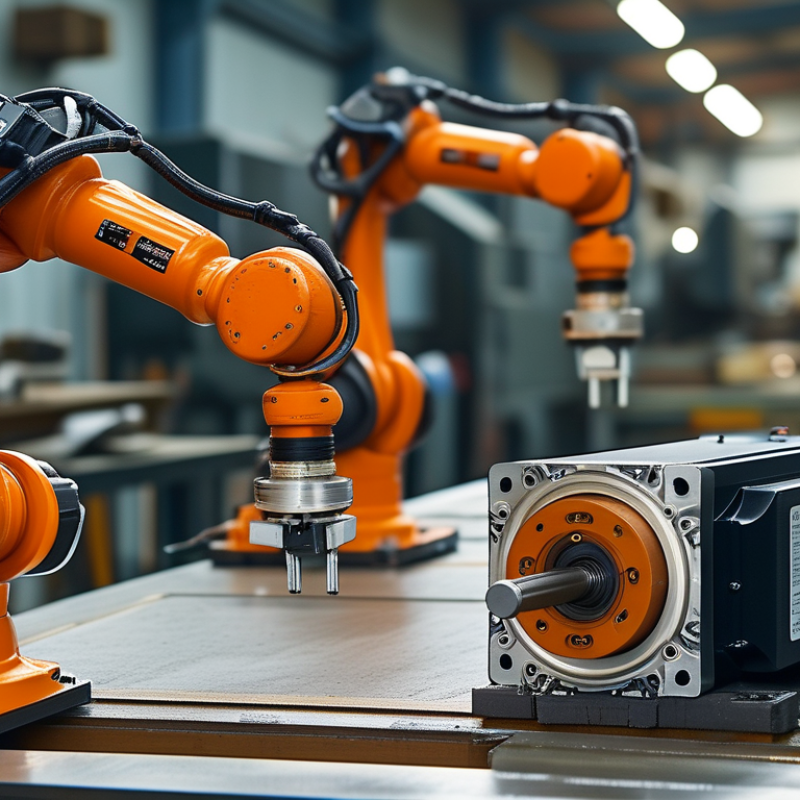
Understanding Stepper Motors: Types and Specifications
Understanding stepper motors is crucial for project success. These motors are widely used in automation and robotics.
There are several types of stepper motors: permanent magnet, variable reluctance, and hybrid. Each type has unique specifications
suited for different applications. A study from the National Institute of Standards and Technology indicates that hybrid
stepper motors are 20% more efficient than traditional models, making them ideal for precision tasks.
When selecting a stepper motor, consider torque, step angle, and speed. Torque determines how much weight the motor can move.
Step angle affects precision and resolution. A smaller angle means higher precision but can complicate control. Often, projects
struggle due to mismatched torque requirements. It's vital to evaluate your project goals carefully.
For enhanced performance, ensure proper driver selection. A mismatched driver can lead to overheating and reduced lifespan.
Regular maintenance can also alleviate issues over time. Checking wiring and cleanliness can drastically improve reliability.
Take into account the environment where the motors will operate. Moist or dusty conditions may require additional protection
for optimal functionality. Understanding these details can enhance your project's success.
Key Parameters to Consider for Selecting Stepper Motors
When selecting stepper motors for projects, several key parameters should be considered to ensure optimal performance. Understand the torque requirements for your application. High-torque motors are necessary for heavier loads. If your project involves precise positioning, look for step angles and resolutions that meet your needs.
Another crucial factor is the driver compatibility. Ensure your motor can work seamlessly with the driver you choose. Different drivers may support varying voltage and current ratings. This mismatch can lead to performance issues. Consider thermal management as well. Stepper motors generate heat, which can impact longevity and efficiency.
To simplify your selection process, estimate your application's demand. Knowing the load and desired speed helps. Research the specifications of motors that meet these requirements. Review reviews from trusted sources to gauge reliability and efficiency. Be prepared to re-evaluate your choices if the motor does not match the expected performance in real-world tests.
Comparing Performance Metrics: Torque, Speed, and Precision
Choosing the right stepper motors involves understanding key performance metrics: torque, speed, and precision. Torque is essential for applications requiring load lifting or pushing. For instance, motors with a higher torque rating can carry heavier loads at lower speeds. A study reported that stepper motors can produce torque ranges between 0.5 Nm and 3.0 Nm, significantly impacting project effectiveness.
Speed is another critical element. Stepper motors generally operate within a dynamic range, averaging between 200 to 1,500 RPM. However, excessive speeds may lead to a loss of position accuracy. It's vital to balance speed with load requirements. Projects aiming for high-speed motions should consider the motor’s step angle and the associated stepper driver capabilities.
Precision is key in applications like CNC machinery or 3D printing. Stepper motors offer varying resolutions based on step angle. A smaller step angle allows for finer precision. It's common to see motors operating at step angles of 1.8 degrees or smaller. This precision comes with inherent challenges, such as potential missed steps under heavy loads.
When selecting a stepper motor, always assess your project's unique needs. Think about the torque requirements based on your load. Consider how speed will affect the overall performance. Finally, analyze the precision required for your tasks. This reflective approach can lead to better motor selection.
Application Suitability: Choosing Motors for Robotics and Automation
Selecting the right stepper motors for robotics and automation requires careful evaluation of application needs. The performance of stepper motors is often measured in terms of torque, speed, and precision. According to industry reports, motors with higher torque ratings are crucial for robotic arms, as they need to overcome external loads. A typical high-torque motor can produce over 1 Nm, ensuring accurate movement in delicate tasks.
In automation, the choice of stepper motor also hinges on speed requirements. For instance, motors operating at speeds above 1000 RPM are often preferred in conveyor systems. They ensure products move efficiently without delays. However, balancing speed with smoothness is essential. Motors that spin too quickly may sacrifice precision. This trade-off highlights the need for thorough testing in real application scenarios to find the optimal balance.
Moreover, it's vital to consider environmental factors. Stepper motors can perform poorly under extreme temperatures or humidity. Reports suggest that operating outside recommended ranges can lead to thermal issues, resulting in performance loss or even failure. Evaluating these environmental impacts during the selection process can lead to better long-term reliability. Each application is unique, making the choice of stepper motors a reflection of both technical and practical considerations.
Cost vs. Quality: Budgeting for Optimal Stepper Motor Selection
When selecting stepper motors, balancing cost and quality is crucial. A study from the International Journal of Robotics and Automation highlights that 40% of projects fail due to inadequate motor choices. Choosing a cheaper motor can lead to overheating and reduced performance. This is a common pitfall for many engineers and hobbyists.
Quality stepper motors provide better torque and precision. They can sustain high workloads without compromise. Reports suggest a quality motor can enhance efficiency by up to 30%. However, high-quality options often come at a premium. Budget constraints frequently limit choices, leading to tough decisions. Striking a balance is essential for success.
Consider your project requirements. Complexity, load, and desired precision matter. Spending more upfront can save costs in the long run. A motor that supports your needs will minimize future expenses. It's vital to weigh the risks of lower-quality options carefully. Investing in reliable components ensures smoother operations and reduces the need for frequent replacements.
FAQS
: Torque, speed, and precision are the main performance metrics to consider.
Torque is crucial for lifting or pushing heavier loads. Higher torque allows for more effective performance.
Stepper motors commonly produce torque between 0.5 Nm and 3.0 Nm.
Speed ranges from 200 to 1,500 RPM. Excessive speed may compromise position accuracy.
Balance speed with load requirements. Motor's step angle matters too.
Precision is vital for tasks like CNC machinery. Smaller step angles enable finer details.
Low-quality motors may overheat and perform poorly, causing project failures.
Quality motors maintain performance under high workloads and enhance efficiency.
Balance between cost and quality is crucial. Cheaper motors may lead to future expenses.
Thoughtful selection minimizes issues and enhances project efficacy through reliable performance.
Conclusion
Stepper motors are essential components in various projects, particularly in robotics and automation. To select the right stepper motor, it is crucial to understand their different types and specifications. Key parameters to consider include torque, speed, and precision, as these factors greatly influence a motor's performance. Additionally, it's important to evaluate application suitability, ensuring the motor aligns with the specific needs of your project.
When budgeting for stepper motors, a balance between cost and quality is vital. Lower-priced options might compromise performance metrics, while higher-end models may provide enhanced reliability and precision. By carefully analyzing these aspects, one can make an informed decision that optimizes functionality and efficiency in their projects involving stepper motors.
 Vortex Motor
