Vortex Motor
Choosing the right High Torque Motors for your projects can be a daunting task. Various factors come into play, making the decision process intricate. These motors are crucial for applications requiring high power and efficiency. They provide the necessary torque to drive heavy machinery, robotics, and even electric vehicles.
Understanding your specific needs is vital. Consider the operational environment and load requirements. The role of size, weight, and energy consumption also shapes your choices. Manufacturers vary in quality and performance, which adds another layer of complexity.
Sometimes, high torque isn't always the best option. There are scenarios where efficiency in other aspects trumps pure torque output. We must critically assess whether we genuinely need those extra capabilities. Balancing performance and budget can lead to better long-term solutions. Keep these thoughts in mind as you embark on this journey. Choosing wisely now can save you time and money later.
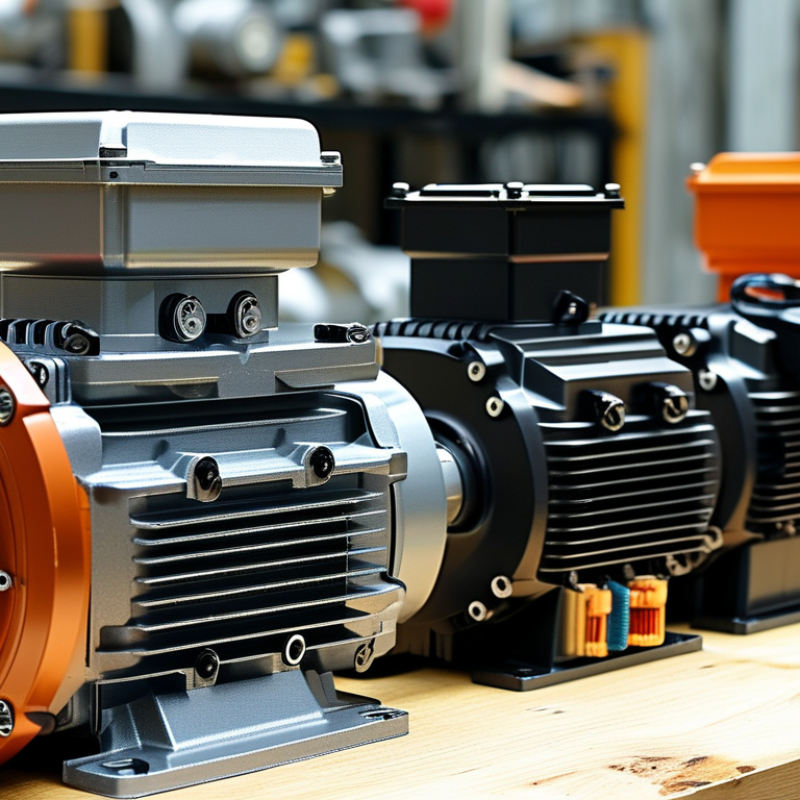
High torque motors play a critical role in various industrial applications. They are essential for tasks requiring significant force and precision. Industries like automation, robotics, and manufacturing rely heavily on these motors. According to a recent report by Research and Markets, the global market for high torque motors is projected to grow at a CAGR of 6.5% from 2021 to 2026. This growth illustrates the increasing demand for efficient and powerful motor systems.
Understanding the fundamentals of high torque motors is vital. These motors convert electrical energy into mechanical energy, generating high starting torque. They often feature robust designs to withstand heavy loads and prolonged use. Engineers suggest that torque requirements vary based on application specifics. For example, conveyor systems may require different torque profiles than milling machines.
While selecting a high torque motor, users must consider several factors. These include load characteristics, speed requirements, and power supply type. It's common to overlook how environmental conditions can affect motor performance. Humidity, temperature, and dust can lead to inefficiencies. Misjudgments in motor selection can result in increased wear and reduced lifespan, highlighting the need for thorough analysis prior to procurement.
When selecting high torque motors, understanding key specifications is crucial. Torque is a measure of rotational force and is often expressed in Newton-meters (Nm). For instance, a motor rated at 10 Nm provides substantial power for applications like robotics or conveyor systems. Many industries require specific torque ratings for optimal performance, making it vital to match the motor's torque to the system's demands.
RPM, or revolutions per minute, indicates how fast a motor spins. A motor might have a high torque rating but low RPM. This combination can be beneficial in applications needing more force at lower speeds. In contrast, high RPM with lower torque suits scenarios requiring quick movements but less force. Industry reports have shown that applications like electric vehicles often prefer this torque-speed balance for enhanced efficiency.
Power ratings, typically measured in watts, reflect a motor's capability to perform work over time. A higher wattage often correlates with stronger motors. However, it's essential to consider how power interacts with torque and RPM. An imbalance can lead to inefficiencies. Choose a motor not just by power rating but also how it aligns with the specific needs of your system. Understanding these specifications helps avoid the pitfalls of mismatched motor choices, leading to potential project delays or performance issues.
When evaluating high torque motors, understanding the differences between AC and DC motors is crucial. AC motors are typically more robust and suitable for continuous operations. According to a report by the Electric Power Research Institute, AC motors account for nearly 70% of the total motor market due to their efficiency and durability in industrial applications.
Contrastingly, DC motors offer high starting torque and precise speed control. They work well in applications requiring swift changes in direction, like robotics and conveyor belts. A study by the Institute of Electrical and Electronics Engineers highlighted that DC motors provide a 30% faster response as compared to their AC counterparts. This advantage can be critical in applications needing quick adjustments.
However, choosing the right motor isn't solely based on torque. Consider the operating environment and the specific requirements of your application. AC motors may struggle in variable load conditions, while DC motors can require more maintenance due to commutator wear. Reflecting on these aspects can lead to better motor selection and improved performance in your projects.
Selecting the right high torque motor involves understanding efficiency and performance factors. Efficiency directly impacts energy consumption. According to industry reports, high efficiency can improve energy savings by up to 30%. This reduction is crucial for both cost-saving and environmental goals. Motors with better efficiency ratings also tend to have longer lifespans, which means less frequent replacements. Thus, making an informed choice can lead to both immediate and long-term benefits.
Performance factors extend beyond basic efficiency. Torque ratings are essential, as they determine the motor's capability to perform under load. A high torque motor may provide the required power but can also lead to overheating if not properly matched to application needs. Reports indicate that motors running near their maximum capacity can see a significant decline in performance and reliability. Evaluating load requirements and matching them to the motor’s specifications is critical for optimal results.
It’s essential to consider environmental factors, too. Operating temperature and humidity can affect motor performance. However, more data is needed on how these factors uniquely impact different motor types. The complexity of selecting a high torque motor cannot be overstated. Each application is unique and may present unexpected challenges that require further investigation or testing.
When integrating high torque motors into existing systems, compatibility is crucial. Ensure the motor's physical dimensions fit your setup. Check the mounting options, as misalignment can cause issues. You might need additional custom brackets or adapters. Electrical compatibility is equally important. Verify voltage and current ratings match your system's requirements. Mismatched values can lead to performance inefficiencies.
Another point to consider is control mechanisms. Existing systems may use different controllers. If your new motor requires a specific controller, this could complicate integration. Evaluate your current control systems. Updating them may increase performance but add costs. Consider the software aspect as well. Certain motors may require proprietary software for full functionality.
It’s also important to assess load characteristics. The torque requirements must align with your application needs. Over-specifying can lead to unnecessary energy consumption. Under-specifying can result in system failure. Monitor performance regularly once integrated. This will help identify any issues early on. Balancing these factors requires careful thought and planning.
: Torque measures rotational force, typically expressed in Newton-meters (Nm). Higher torque means more power for tasks.
RPM indicates how fast a motor spins. A balance between torque and RPM is essential for optimal performance.
Power ratings show a motor's work capability over time. Higher wattage usually means stronger motors.
AC motors are robust for continuous operations. DC motors offer high starting torque and better speed control.
Higher efficiency can cut energy costs by up to 30%. It also results in longer motor lifespans.
High torque motors may overheat if not matched to load demands. Running near maximum can reduce reliability.
Temperature and humidity affect motor performance. Each application can respond differently to these conditions.
DC motors require more maintenance due to commutator wear. Reflect on maintenance needs when selecting a motor.
Consider torque, RPM, power ratings, and the operating environment. Each factor can significantly impact performance.
Unexpected challenges may require further investigation. Clearly understanding requirements reduces the risk of poor choices.
When selecting high torque motors for industrial applications, it is crucial to understand their fundamental principles and specifications. Key factors to consider include torque, RPM, and power ratings, which directly impact the motor's performance and suitability for specific tasks. Additionally, evaluating the differences between AC and DC high torque motors can help in making informed choices based on particular use cases.
Efficiency and performance are also critical in the selection process, as they determine the motor's effectiveness in operation. Lastly, compatibility with existing systems plays a significant role in the integration of high torque motors, ensuring seamless incorporation into current setups. By carefully assessing these aspects, you can choose the best high torque motors that meet your operational needs and enhance overall productivity.
