In the evolving landscape of electromechanical devices, a Coreless DC Motor is gaining significant attention. These motors, unlike traditional counterparts, boast unique construction and performance benefits. John Smith, a renowned expert in motor technology, states, "Coreless DC Motors offer efficiency and adaptability unheard of in conventional designs."
A Coreless DC Motor eliminates the iron core found in traditional designs. This results in a reduced weight and lower inertia. Manufacturers appreciate these features for creating lighter products. Components can be smaller, allowing for more compact designs. This versatility makes them ideal for applications ranging from drones to medical devices.
However, while Coreless DC Motors present many advantages, buyers must consider factors like cost and availability. The technology can be more expensive upfront. Still, the long-term benefits often outweigh these initial costs. Understanding these dynamics is essential for making informed purchasing decisions in today's competitive market.
Understanding the Concept of Coreless DC Motors
Coreless DC motors are an innovative solution in the field of electromechanical systems. These motors lack a traditional iron core, offering several benefits. Their design reduces weight and size, making them ideal for applications where space is limited. According to a report by the International Electromechanical Symposium, coreless DC motors can be up to 50% lighter than conventional motors of similar power output. This lightweight feature enhances portability and ease of integration into various devices.
Beyond lightweight design, coreless DC motors deliver higher efficiency and performance. Their construction allows for a more responsive operation, with faster acceleration and deceleration times. This is crucial in applications such as robotics and drones, where precision and speed are paramount. A study published in the Journal of Electromechanical Engineering found that coreless motors demonstrated a 20% improvement in energy efficiency compared to standard DC motors in specific use cases. However, potential buyers must consider factors such as initial costs and specific application needs, as not all scenarios benefit from the coreless design.
Key Components and Structure of Coreless DC Motors
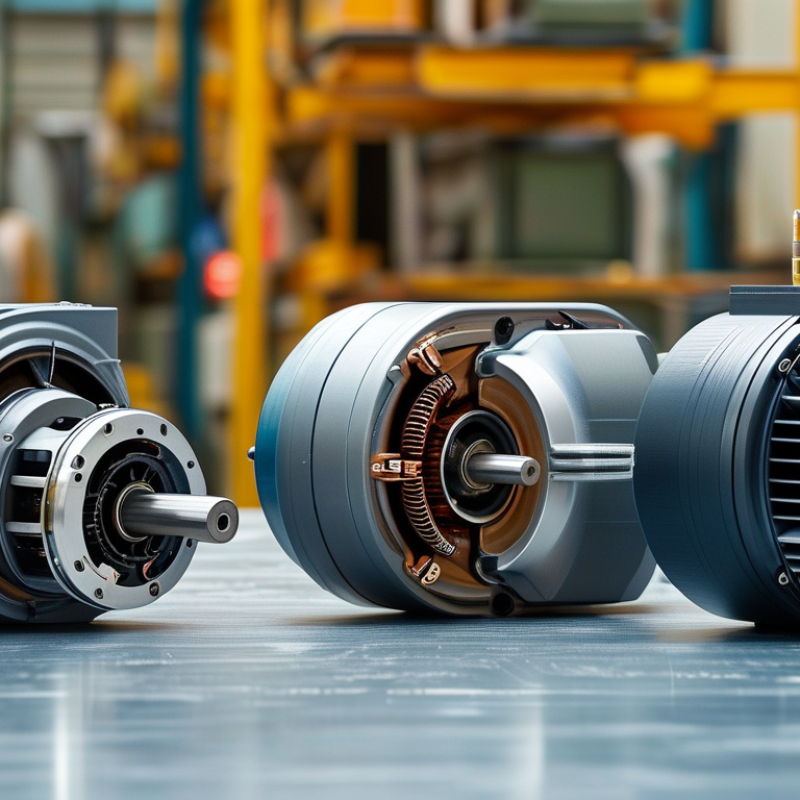
Coreless DC motors have a unique structure that sets them apart from traditional motors. They consist of a rotor without a core, which results in lighter weight and reduced inertia. This design allows for quicker response times and higher efficiency. The main components include the magnets, coils, and a commutator. The magnets provide a consistent magnetic field, while the coils are responsible for generating motion when electric current passes through them.
Tips: When selecting a coreless DC motor, pay close attention to torque and speed ratings. These figures will help ensure the motor meets your application needs.
While coreless motors have advantages, they also present challenges. Their sensitivity to temperature can impact performance. Additionally, the lack of a core means that manufacturing quality is crucial. Poor quality control can lead to inconsistent performance, which may affect your projects.
Tips: Always consider the environment where the motor will be used. If it’s exposed to extreme conditions, look for motors specifically designed for such applications.
Advantages of Coreless DC Motors for Various Applications
Coreless DC motors offer several advantages across various applications. Unlike traditional motors, they lack an iron core. This design change leads to an impressive reduction in cogging torque. They run smoothly, making them ideal for sensitive electronics. Users find them beneficial in robotics, where precision is crucial. Their lightweight nature enhances mobility, making them perfect for drones and portable devices.
These motors also provide high efficiency. They convert electrical energy into mechanical energy effectively. This efficiency reduces battery consumption, a notable advantage for portable applications. The compact size allows for flexible design options. Engineers often exploit this trait in miniature devices, where space is limited.
However, coreless DC motors are not without challenges. Their production can be more costly than traditional motors. This higher price tag may deter some users. Additionally, their fragile construction might raise concerns in rugged environments. Although they offer great performance, users should weigh these factors before making decisions.
Comparative Analysis: Coreless DC Motors vs. Traditional DC Motors
Coreless DC motors stand out due to their unique design, which eliminates the iron core found in traditional motors. This design enhances efficiency, offers lighter weight, and reduces electromagnetic interference. Reports indicate that coreless DC motors can improve efficiency by up to 30% compared to traditional counterparts. This makes them an excellent choice for applications needing precision and responsiveness.
In a comparative analysis, traditional DC motors typically face issues like cogging torque and energy losses from the iron core. Coreless designs eliminate these inefficiencies, allowing for smoother operation. Moreover, the rapid acceleration and deceleration capabilities of coreless motors make them ideal for robotic and medical devices. They excel in scenarios where precise control is crucial, such as in automated machinery and instrumentation.
Tips: When considering a motor for your project, assess both size and weight requirements. Coreless motors are compact and lightweight, which is advantageous in limited spaces. Customers should also weigh the cost against performance benefits. Although coreless motors offer superior performance, they may have higher initial costs. Balancing these factors is essential for informed decision-making.
Factors to Consider When Purchasing Coreless DC Motors
When considering the purchase of coreless DC motors, there are several crucial factors to weigh. First, evaluate the motor's size and weight. Coreless designs are lightweight, making them ideal for compact applications. A lighter motor reduces stress on other components. Be mindful that smaller motors may have limitations in power output.
Performance specifications also matter. Look at parameters like speed and torque. These metrics indicate how well the motor will perform in your specific application. Coreless motors typically offer fast response times. However, be aware of potential overheating issues if operating continuously at high speeds.
Tips: Always check for thermal management features. This can prevent overheating and extend motor life. Consider the intended application and assess the voltage and current requirements. Matching these to your power supply ensures optimal performance.
Don’t overlook the mounting options. The flexibility in installation can enhance usability in various designs. If unsure, consulting with an experienced professional can provide valuable insights. Remember that investing time in research can lead to better purchasing decisions.
Coreless DC Motor Advantages
FAQS
: Coreless DC motors are innovative motors lacking a traditional iron core. They are compact and lightweight.
They offer higher efficiency, better performance, and reduced size. These features enhance portability and integration.
Coreless motors improve efficiency by up to 30%. They eliminate cogging torque and reduce energy losses.
They excel in robotics, drones, and medical devices. Precision and responsiveness are vital in these fields.
They may have higher initial costs. Buyers must consider application needs before choosing coreless motors.
Coreless motors can improve energy efficiency by 20% in specific scenarios. This is an important consideration for users.
Evaluate size and weight requirements. Balance the cost versus performance benefits for a well-informed choice.
Yes, they can be up to 50% lighter than conventional motors. This makes them suitable for space-constrained applications.
Their unique design may not fit all applications. Some systems may not benefit from the coreless configuration.
Their design offers rapid acceleration and deceleration. This leads to smoother and more precise control in various applications.
Conclusion
Coreless DC Motors represent an innovative design in the realm of electric motors, characterized by their simplified structure that omits the traditional iron core. This unique configuration results in lighter weight and enhanced responsiveness, making them highly suitable for applications where precision and speed are paramount. The key components of coreless DC motors include a rotor, stator, and commutation system, which work in harmony to provide efficient power output.
The advantages of coreless DC motors are significant, particularly in areas that demand compact and efficient solutions, such as robotics, medical devices, and consumer electronics. Compared to traditional DC motors, coreless variants offer improved torque-to-weight ratios and lower electromagnetic interference. When considering the purchase of coreless DC motors, buyers should evaluate factors such as performance specifications, operational environment, and overall cost-effectiveness to ensure they meet their specific application requirements.
 Vortex Motor
