The automotive motor industry in China is rapidly evolving. As global buyers increasingly seek reliable and efficient automotive motors, understanding the top options available is critical. Renowned industry expert Dr. Li Wei, a leading figure in automotive technology, states, "Innovation in automotive motors is essential for sustaining competitive advantage." His insight emphasizes the ongoing transformation in motor technology and its impact on vehicle performance.
Chinese manufacturers are becoming key players in this sector. They focus on high efficiency and advanced engineering, providing diverse offerings to meet international standards. The rise of electric vehicles has further accelerated the demand for innovative automotive motors. Buyers must navigate a complex landscape filled with various technologies, including brushless motors and synchronous motors. Each technology has unique benefits and challenges.
However, not all options are flawless. Quality inconsistencies can arise, and buyers need to conduct thorough research. Understanding the nuances of automotive motors is vital for making informed decisions. While the market is promising, careful evaluation and expert insights are necessary to identify the best choices.
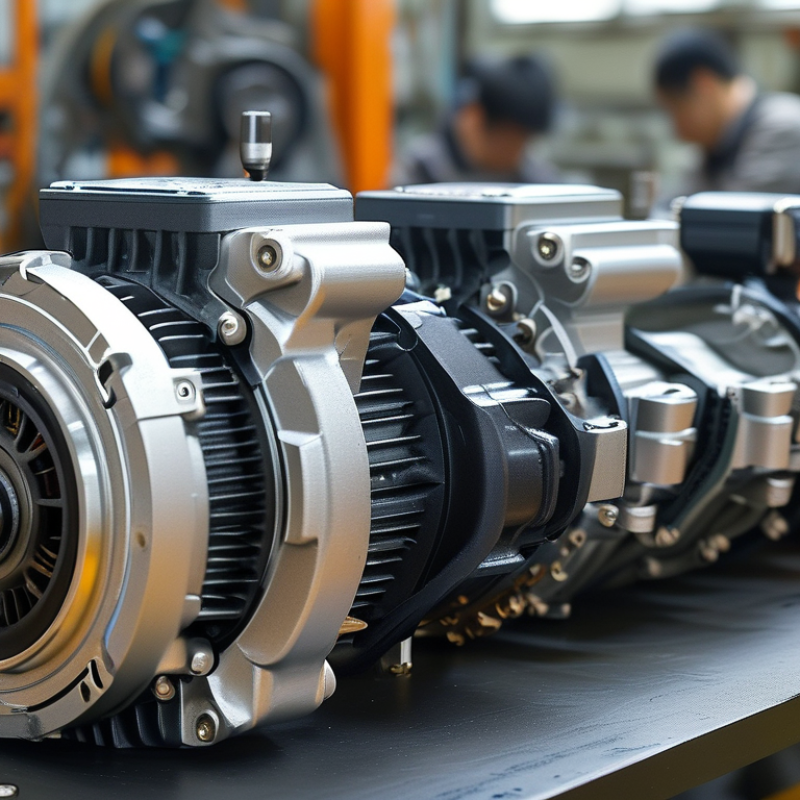
Overview of the Automotive Motor Market in China
China's automotive motor market is rapidly evolving. In 2022, the market size reached approximately $45 billion. This figure is projected to grow annually by 10% through 2025. The country is focusing on developing electric vehicle (EV) motors. The shift towards clean energy is a significant driver.
Experts report that China is the largest EV producer globally. In 2021, over 3 million electric vehicles were manufactured. A considerable portion of this production relies on advanced motor technology. Chinese firms are investing heavily in R&D for improved efficiency and performance.
Demand for high-quality automotive motors is increasing. Global buyers are drawn to innovative technologies. However, quality control remains a concern. Many local manufacturers face challenges meeting international standards. This scenario presents both opportunities and risks. Foreign partnerships may help improve standards. The market’s complexity requires thoughtful navigation for success.
Key Factors Driving the Growth of Automotive Motors in China
The growth of automotive motors in China is driven by various key factors. A significant increase in electric vehicle (EV) adoption is pushing demand for advanced motors. According to a recent report by the China Association of Automobile Manufacturers, EV sales soared over 140% year-on-year in 2021. This rapid market shift highlights the need for high-performance motors that can deliver efficiency and reliability.
Moreover, government policies play a pivotal role. Incentives for electric vehicles and stringent environmental regulations encourage automakers to invest in innovative motor technologies. The Ministry of Industry and Information Technology aims for EVs to constitute 20% of total vehicle sales by 2025. This ambitious target necessitates robust motor development, ensuring manufacturers meet both performance and sustainability goals.
However, challenges persist. The supply chain for raw materials is unpredictable. Lithium, used in batteries, has seen price fluctuations. These issues complicate manufacturing processes. Additionally, not all manufacturers can keep up with technological advancements. As the industry evolves, some may lag, unable to compete effectively. These dynamics create a complex landscape for global buyers seeking reliable automotive motors from China.
Top Players in the Chinese Automotive Motors Industry
China's automotive motors industry is rapidly evolving. In 2022, the market size reached approximately $22 billion, with expectations of continuous growth. Key players dominate the landscape, driving innovations in performance and efficiency. The competition is fierce, and global buyers must stay informed.
Manufacturers in China are focusing on electric vehicle motors. The shift towards electric mobility has reshaped the market. Recent reports indicate that EV motor production increased by 35% in the past year. This growth highlights a strong demand for high-efficiency motors. Advanced technologies, such as rare earth magnets, enhance motor performance. However, supply chain vulnerabilities can pose challenges.
Understanding market dynamics is crucial for buyers. Regulatory changes often impact production costs. Additionally, quality assurance remains a concern, especially for newcomers. Buyers must consider aspects like warranty and technical support. Knowledge of these factors can lead to better purchasing decisions.
Top 10 Automotive Motors in China for Global Buyers
This bar chart represents the estimated market share of the top 10 automotive motor manufacturers in China. The values are based on industry data and reflect the competitive landscape of the automotive motors industry.
Innovative Technologies in Chinese Automotive Motors
Innovative technologies in Chinese automotive motors are reshaping the global market. As more buyers seek efficiency, Chinese manufacturers are leading the charge in electric motor development. Many motors feature advanced cooling systems. This optimizes performance and extends lifespan. Such innovations enhance driving experiences and reduce downtime.
Moreover, integration of artificial intelligence into motor systems is a game changer. AI enables predictive maintenance, which helps identify issues before they escalate. These smart motors can adapt to various driving conditions. However, the learning curve for manufacturers can be steep, leading to inconsistencies in motor performance across different regions.
Sustainability is another key aspect. Many automotive motors utilize eco-friendly materials. This reduces the carbon footprint during production. However, the sourcing of these materials poses challenges. There are concerns over supply chain transparency and ethical sourcing practices. Continuous improvement in these areas will be essential as global demand rises.
Future Trends and Opportunities for Global Buyers in China
China's automotive motor market is rapidly evolving. For global buyers, this presents both trends and opportunities. The market is projected to grow significantly. According to a report by Statista, the electric motors market in China is expected to exceed $100 billion by 2025. Such growth creates a window for buyers interested in innovative technologies.
Electric vehicle (EV) adoption is driving this trend. By 2023, it’s estimated that 20% of new car sales in China will be electric. This shift highlights the importance of efficiency and sustainability. Motor manufacturers are investing heavily in research and development. However, challenges remain, such as supply chain disruptions and rising material costs.
Sourcing automotive motors in China requires careful consideration. Prospective buyers must navigate complex regulations. Building relationships with local suppliers can be crucial. There’s also a risk of fluctuating standards and quality control issues. Understanding these dynamics is essential for long-term success in this competitive landscape.
FAQS
: The market size reached approximately $45 billion in 2022.
The market is projected to grow annually by 10% through 2025.
The increase in electric vehicle (EV) adoption is a main driver.
Quality control and supply chain unpredictability complicate manufacturing processes.
In 2021, over 3 million electric vehicles were manufactured in China.
Incentives and regulations encourage investment in innovative motor technologies.
Advanced technologies, like rare earth magnets, improve motor efficiency.
Yes, challenges with quality assurance and fluctuating production costs exist.
Regulatory changes can significantly impact production costs and processes.
Warranty, technical support, and market dynamics are important factors to evaluate.
Conclusion
The automotive motor market in China is experiencing significant growth, driven by advancements in technology and increasing demand for electric vehicles. Key factors influencing this expansion include government policies promoting sustainable transportation, rising consumer awareness of environmental issues, and innovations in motor efficiency and performance.
Moreover, the industry is characterized by dynamic competition among leading players who are investing heavily in research and development. As a result, innovative technologies such as lightweight materials, intelligent control systems, and enhanced battery integration are emerging. For global buyers, the future presents numerous opportunities to explore new partnerships and invest in cutting-edge automotive motors that align with evolving market trends and consumer preferences in China.
 Vortex Motor
