Vortex Motor
In today's industrial landscape, the demand for reliable and efficient Industrial Motors is steadily increasing. These critical components power a range of applications, from manufacturing machinery to renewable energy systems. Selecting the right motor can be challenging, given the vast array of options available globally.
The top 10 Industrial Motors stand out for their quality, performance, and adaptability to various industrial needs. These motors represent the forefront of technology, ensuring reliability in demanding environments. Companies must evaluate their sourcing needs carefully, paying attention to factors like energy efficiency and maintenance.
However, it is essential to acknowledge the complexities in sourcing. Issues such as supply chain disruptions and compatibility with existing systems can arise. Businesses need to remain proactive, continually assessing their motor requirements, as well as the evolving market dynamics surrounding industrial solutions. Understanding these details is crucial for optimizing industrial operations and achieving sustainability goals.
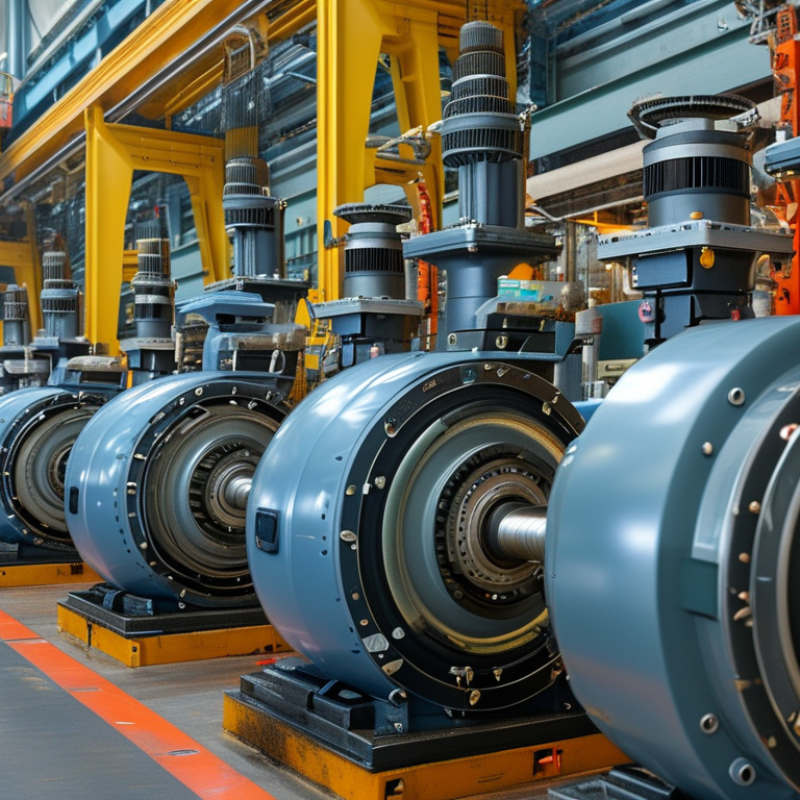
Industrial motors play a crucial role across various sectors. They power many machines and systems, from manufacturing lines to HVAC systems. Understanding their applications can help businesses make informed sourcing decisions. Electric motors are particularly common due to their efficiency and reliability. Different types of motors serve unique purposes, such as induction motors for pumps and gear motors for conveyors.
Tips: Determine the specific application of the motor before sourcing. This ensures you select the right type to meet your needs. Consider factors like torque, speed, and environment.
Variable speed drives are increasingly popular. These allow for better control over motor operations, improving energy efficiency. However, they can introduce complexities in installation and maintenance. A clear understanding of required specifications helps minimize issues later on.
Tips: Always consult with experts when selecting motors. Their knowledge can prevent costly mistakes. Also, evaluate the supply chain to ensure timely delivery.
Selecting the right industrial motor for sourcing needs involves careful consideration of multiple factors. You must assess the application's specific requirements. For instance, torque, speed, and environmental conditions play crucial roles. A motor’s efficiency rating can significantly impact operational costs. Certain industries demand motors that operate in extreme conditions. This means higher reliability and durability standards must be met.
Another critical factor is the motor's adaptability to automation technologies. Many industries are transitioning to smart systems. Motors that integrate seamlessly with these technologies can improve productivity. Reliability becomes vital. A motor failure can halt operations, causing significant losses. Therefore, sourcing teams must verify the performance history of the motors they consider.
Cost is always a factor, but it shouldn’t be the only one. Sometimes, choosing a cheaper option leads to higher maintenance expenses down the road. Evaluating the long-term value of a motor ensures better decision-making. While there may be many options, careful scrutiny helps identify the best fit for specific requirements. Proper sourcing is about finding a balance between quality and cost-effectiveness. This approach demands both expertise and critical thinking.
When evaluating industrial motors, specifications and features are crucial. Different industries demand unique motor characteristics, including power ratings, efficiency, and torque requirements. Motors vary widely in design, impacting their suitability for specific applications. For example, some motors excel in high-torque scenarios while others are optimized for energy efficiency.
One vital specification is power type—AC or DC. AC motors are often preferred for fixed-speed applications, while DC motors are favored for variable speeds. Reliability plays a significant role, too. Many industrial environments are harsh, so robustness against dust and moisture is necessary. It’s common for motors to have IP ratings indicating their durability in challenging conditions.
Investing in the right motor requires careful scrutiny of these features. Potential buyers should consider the operational context. Some motors may perform well in ideal conditions but falter in real-world scenarios. Shortcomings in heat dissipation can lead to premature failures. Industry analysis often reveals a gap between performance expectations and actual results. Understanding these practical challenges is essential for making informed sourcing decisions.
The global industrial motor market is growing rapidly. According to a recent report, the market is projected to reach $134 billion by 2027. This growth is driven by increased demand in various sectors, including manufacturing, automotive, and energy. Industrial motors are essential components in automation systems and machinery.
Leading manufacturers focus on innovation and efficiency. They aim to produce motors that reduce energy consumption and increase performance. Data suggests that energy-efficient motors can cut energy use by up to 30%. This is crucial for companies looking to lower operational costs and meet sustainability targets.
However, not all manufacturers meet these efficiency standards. Some still rely on outdated technologies, resulting in higher emissions and energy waste. This presents a challenge for businesses striving for competitive advantage. The right industrial motor can enhance productivity and reduce the carbon footprint. Making informed sourcing decisions is vital for success in today's industrial landscape.
The landscape of industrial motor technology is rapidly evolving. As industries push for efficiency, motors are increasingly designed with energy saving in mind. This shift is evident in the growing popularity of brushless DC motors. These motors not only save energy but also require less maintenance compared to traditional options. However, the initial cost may deter some organizations.
Another trend is the integration of smart technologies. IoT-enabled motors can provide real-time data on performance. This advanced capability helps in predictive maintenance, reducing downtime. Yet, implementing such solutions can pose challenges, such as data security concerns and the need for skilled personnel.
Sourcing industrial motors globally brings its own set of complexities. Regulations vary by region, making compliance a crucial area of focus. Companies must navigate these complexities to secure reliable suppliers. Additionally, fluctuating raw material prices can impact sourcing decisions. Adapting to these fluctuations requires strategic foresight and flexibility in supply chain management. Balancing these factors is vital for long-term success in any industrial context.
| Motor Type | Power Rating (kW) | Efficiency Class | Applications | Future Trend |
|---|---|---|---|---|
| AC Induction Motor | 0.75 - 500 | IE3 | Pumps, Fans, Conveyors | Smart Grids |
| Servo Motor | 0.1 - 100 | IE4 | Robotics, CNC Machines | IoT Integration |
| Step Motor | 0.01 - 10 | N/A | 3D Printers, Automated Systems | Advanced Control Systems |
| BLDC Motor | 0.1 - 50 | IE4 | HVAC Systems, Electric Vehicles | Increased Automation |
| Synchronous Motor | 5 - 15,000 | IE4 | Industrial Drives | Energy Monitoring |
| Gear Motor | 0.5 - 200 | IE3 | Conveyors, Machinery | Compact Design |
| Permanent Magnet Motor | 1 - 500 | IE5 | Wind Turbines, Electric Cars | Higher Efficiency |
| Hybrid Motor | 0.5 - 15 | N/A | Consumer Electronics | Smart Technology |
| Universal Motor | 0.1 - 5 | N/A | Household Appliances | Energy Efficiency |
: Industrial motors power machines in sectors like manufacturing, HVAC, and automation systems.
Businesses should determine the specific application, considering torque, speed, and environment before sourcing.
A variable speed drive allows better control over motor operations, enhancing energy efficiency in various applications.
Energy-efficient motors can reduce energy use by up to 30%, helping lower operational costs and support sustainability.
Some manufacturers use outdated technologies, leading to higher emissions and energy waste, affecting competitive advantage.
Consulting experts can prevent costly mistakes and ensure the correct motor type is selected for specific needs.
Businesses should ensure timely delivery and consistency in the quality of industrial motors sourced.
Not all motors are trustworthy; some may perform poorly, affecting overall system efficiency and productivity.
The market is projected to reach $134 billion by 2027, driven by demand in multiple sectors.
Selecting the right industrial motor can boost productivity and help reduce the overall carbon footprint.
Industrial motors play a crucial role in various industrial applications, powering equipment from conveyors to pumps. When sourcing industrial motors, it is essential to consider key factors such as efficiency, durability, and compatibility with existing systems. These considerations ensure that the selected motors meet operational demands while optimizing performance and energy consumption.
The article highlights ten leading industrial motors, detailing their specifications and features, to aid in making informed sourcing decisions. Moreover, it discusses market leaders in manufacturing and examines future trends in industrial motor technology, emphasizing advancements that promise to enhance efficiency and sustainability in industrial operations. As the industry evolves, staying informed about these developments will be vital for businesses looking to optimize their sourcing needs for industrial motors.
