Vortex Motor
Vortex Motor
Vortex Motor
High-torque configurations, custom engineering voltages, and precision dynamic assemblies optimized for seamless mechanical closed-loop systems.
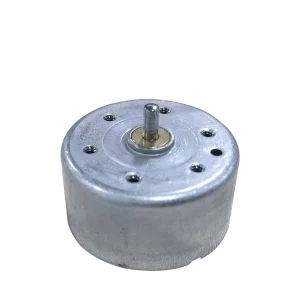
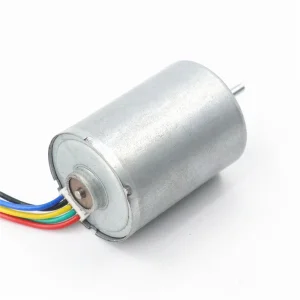
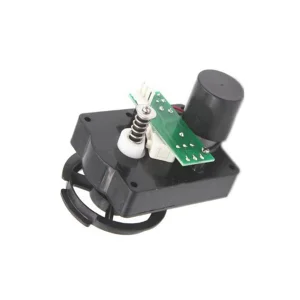
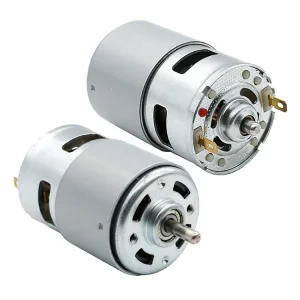
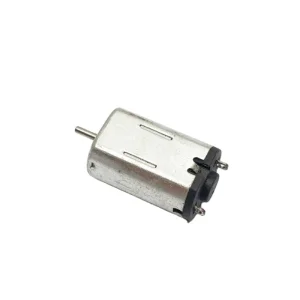
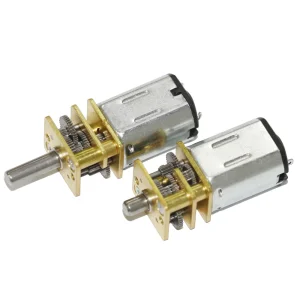
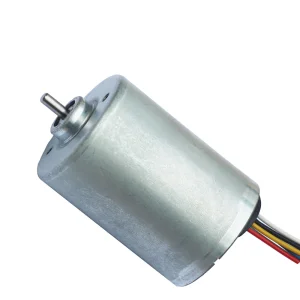
In modern industrial automation, mechanical precision is no longer merely a function of motor speed or positional accuracy. It is determined by the control and feedback of dynamic forces. Torque sensors, acting as the sensory nerves of mechanical power transmission, play a critical role in safety, diagnostic feedback, and automation precision. They are essential components in collaborative robots (cobots), electric powertrains, automated medical pumps, and smart home actuators.
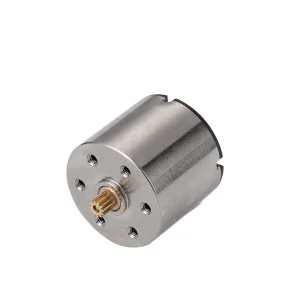
As global industries transition toward smart manufacturing, the integration of micro-drives and dynamic torque sensors has emerged as a key engineering focus. VortexB2B, an industry leader in manufacturing high-performance micro-drives, has engineered miniature rotation control units that integrate seamlessly with high-precision strain gauge sensors. This ensures maximum efficiency in closed-loop configurations, where control systems demand immediate corrective feedback to prevent component overload or positioning drift.
The global torque sensor market is moving rapidly from passive measurement technologies to digital, non-contact, and telemetry-based systems. Key trends reshaping industrial engineering include:
Global procurement teams face complex challenges when sourcing torque sensors and precision motors from international suppliers. Key requirements include:
Procuring organizations must ensure that torque sensors undergo rigorous calibration against traceable national standards (NIST or DAkkS). Testing ranges should cover both static and dynamic conditions to verify linearity, hysteresis, and thermal stability.
In compact motorized assemblies, high-voltage switching currents from brushless motor controllers can introduce noise into delicate sensor signals. High-shielding designs and differential output signals (e.g., RS-485 or digital SPI) are vital to maintaining signal integrity.
For applications where downtime is costly, such as automotive assembly tools or high-speed sorting machines, components must operate through millions of cycles without degradation. Suppliers must provide detailed fatigue limit curves and testing data.
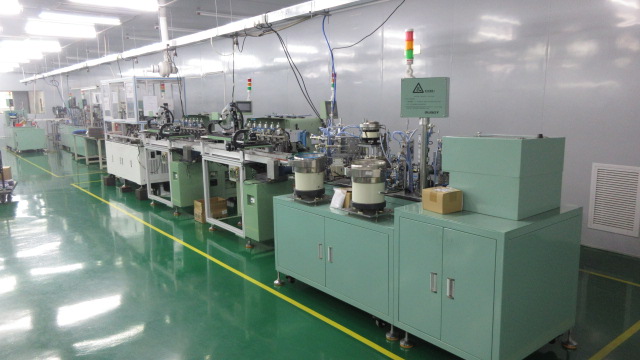
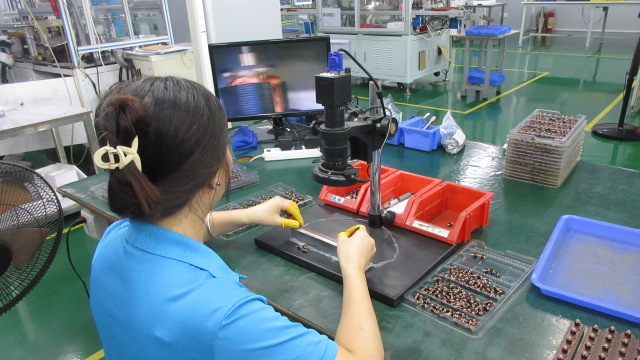
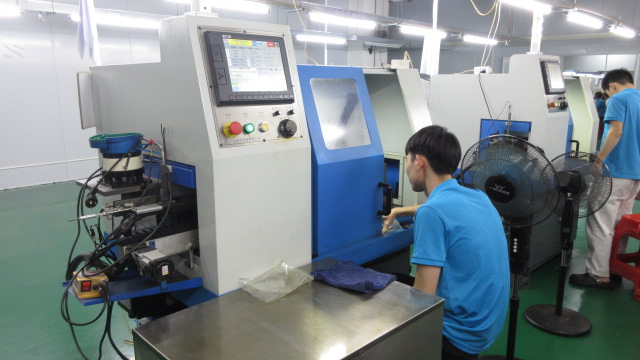
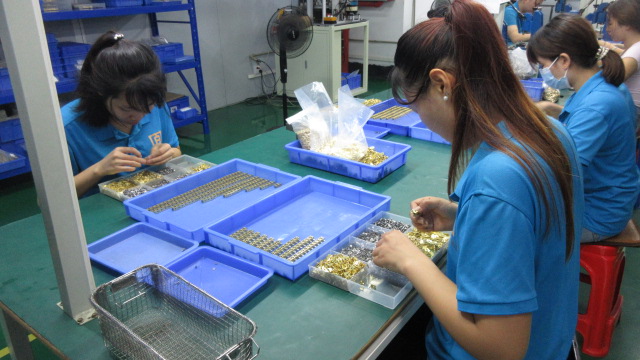
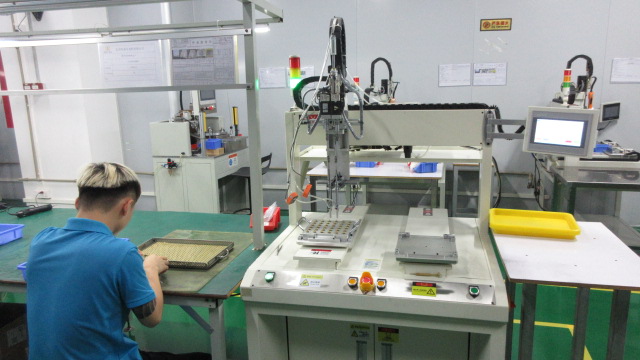
China's industrial landscape has transformed from a focus on low-cost mass assembly to high-precision engineering powered by automated manufacturing and digitalization. At VortexB2B, our production ecosystem represents the peak of this China Industry 4.0 paradigm. By standardizing manufacturing procedures and utilizing coordinate measuring machines alongside comprehensive tester systems, we guarantee high repeatability and precision across every batch of micro-drives.
This localized supply chain structure offers significant advantages. From raw material processing and mechanical gear hobbing to final calibration and automated winding, our close geographic integration minimizes transit times and insulates our partners from global supply chain disruptions. This level of control allows us to quickly develop custom motor mounts and adapt shaft configurations to suit specific torque sensors, optimizing mechanical compatibility and reducing lead times.
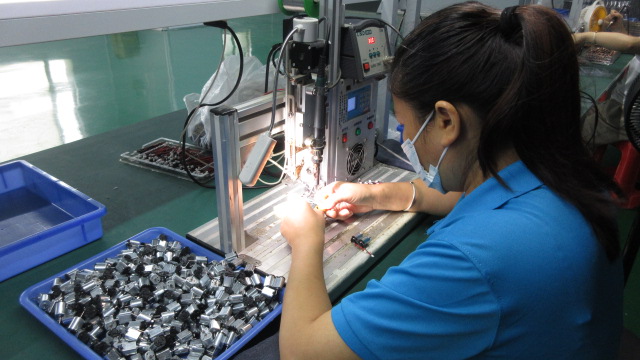
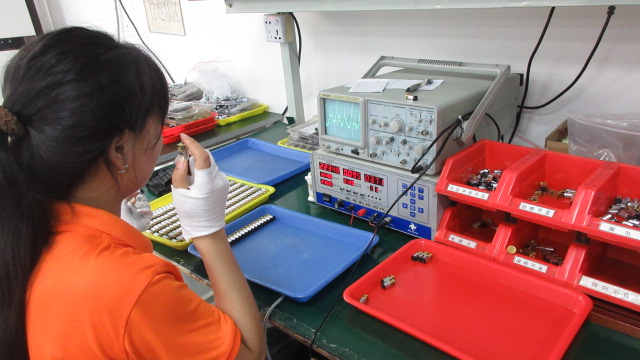
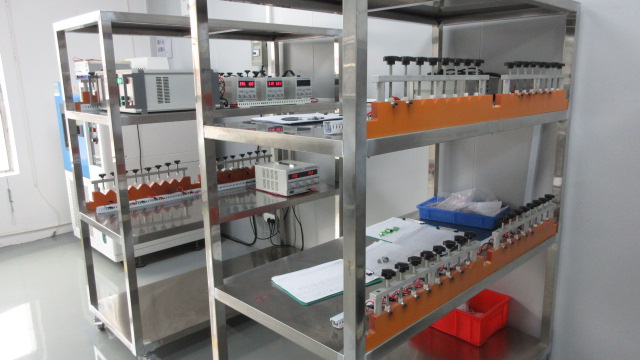
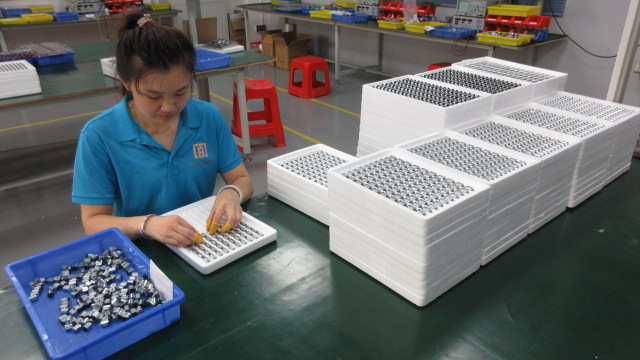
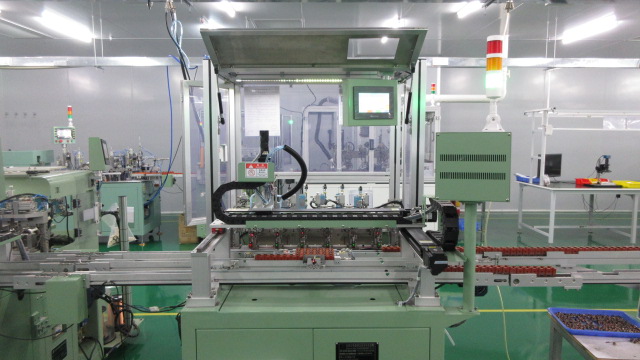
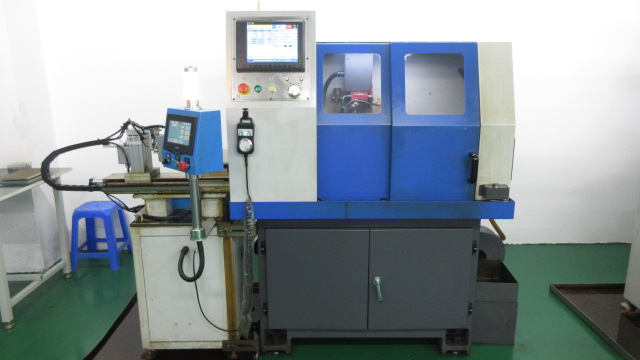
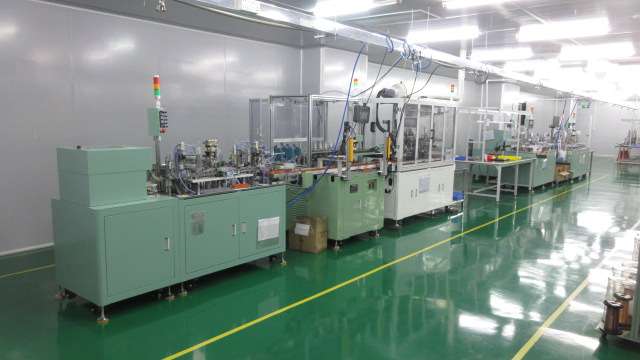
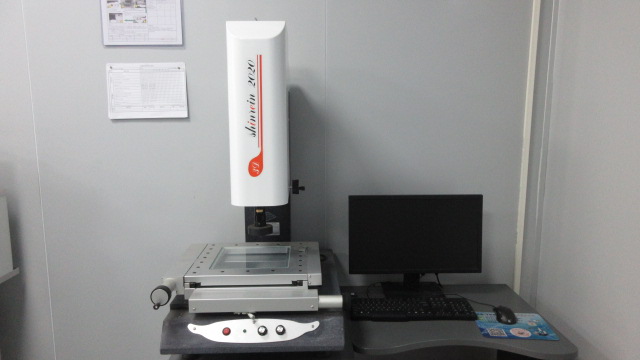
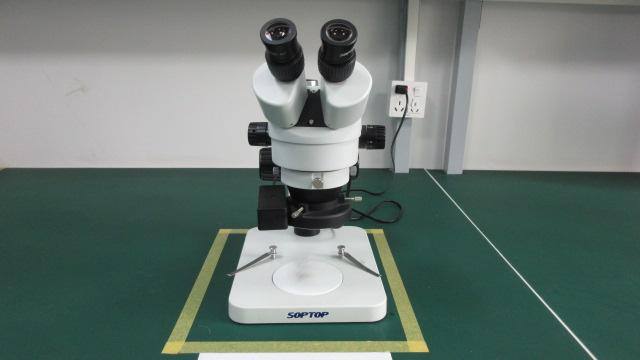
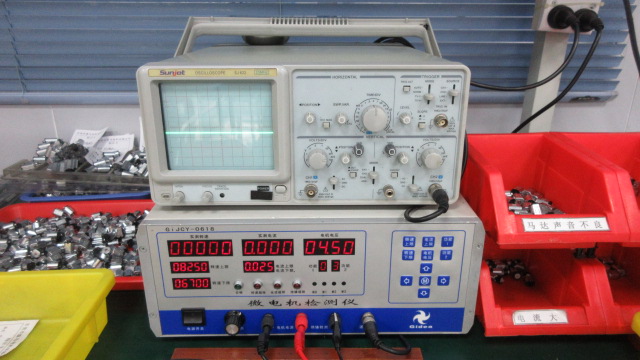
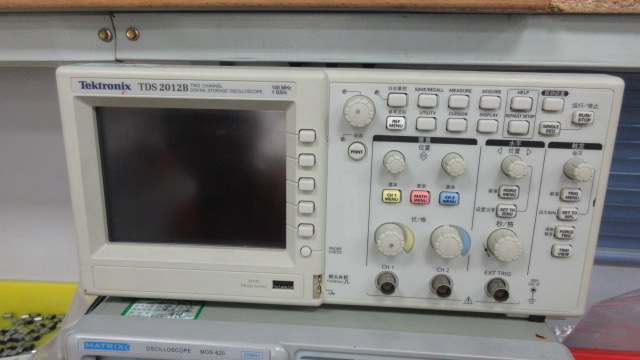
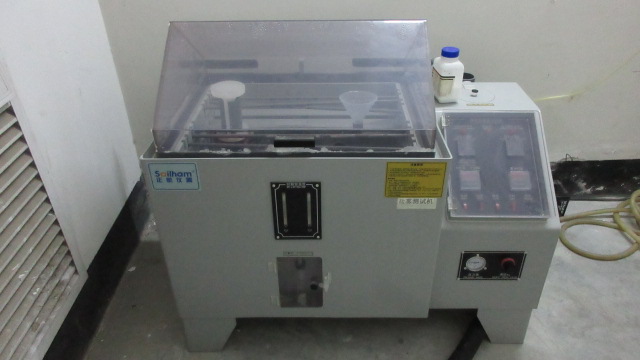
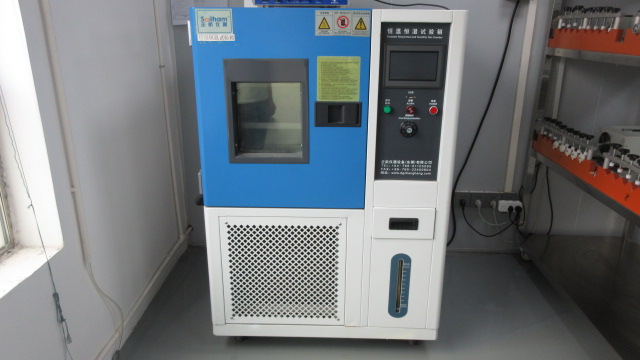
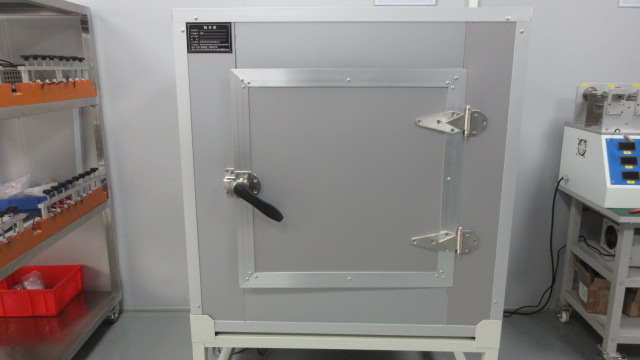
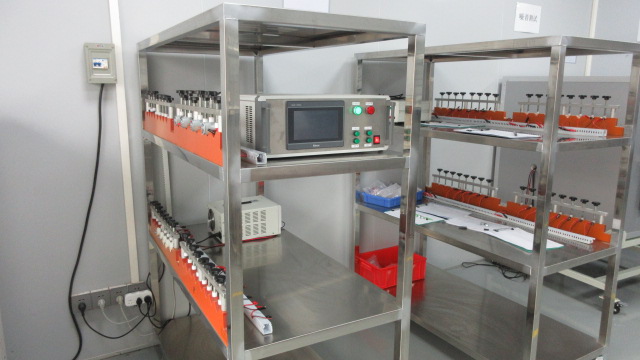
Developing effective electromechanical products requires matching motor performance and sensor characteristics with the mechanical demands of the target application. Combining precision micro-drives with torque feedback systems is critical in several key areas:
Cobots work alongside human operators and require precise, real-time safety control. Dynamic torque sensors installed at each articulation joint monitor resistive torque. If a joint detects resistance exceeding programmed safety thresholds (suggesting human contact), the system halts motor actuation in milliseconds. This degree of safety relies on high-resolution joint encoders and brushless motors that provide consistent, linear output.
Medical pump applications demand precise fluid delivery. By integrating coreless DC micro motors with low-inertia gearboxes and torque sensing loops, developers can monitor for anomalies like occlusion or air bubbles in delivery lines. This is detected through real-time variations in motor shaft torque, allowing controllers to flag warnings before pressure spikes occur.
During the design and validation phases of hybrid and electric vehicles, developers use dynamic torque transducers to monitor rotational strain along drive shafts. In these test environments, the system measures high rotational velocities (exceeding 15,000 RPM) alongside rapid torque fluctuations, verifying the efficiency of the vehicle's drive control algorithms.
Answers to key engineering and procurement questions regarding sensor integration, calibration, and micro-drive mechanical configurations.
High-speed dynamic drives, specialty actuators, and precision servo configurations for industrial automation systems.