Vortex Motor
Vortex Motor
Vortex Motor
Decoding torque density, efficiency thresholds, and high-frequency control architectures in modern micro-drives.
The global industrial landscape is experiencing an unprecedented acceleration in the electrification of motion control. In the domain of precision engineering, the demand for Electric Drive Motors has transitioned from basic rotational actuators to highly optimized electromagnetic units. Driven by strict energy regulations, such as the European Union's Ecodesign requirements and the transition toward IE4/IE5 super-premium efficiency standards, global OEMs are redesigning their motion architectures. This shift requires motor designs that produce higher torque density within diminishing space constraints.
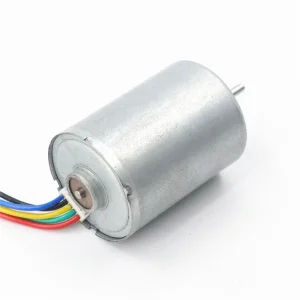
From a technical perspective, the modernization of drive technologies focuses heavily on the optimize-or-replace dilemma: transitioning from traditional carbon-brushed commutators to brushless topologies. Brushless DC (BLDC) motors eliminate mechanical friction, reduce electromagnetic interference (EMI), and exhibit thermal dissipation profiles ideal for sealed operating environments. As micro-drives find execution pathways in medical infusion systems, automotive drive-by-wire units, and aerospace actuators, selecting the right exporter is no longer a simple transactional purchase. It has evolved into a strategic supply chain alignment centered on rapid prototyping, material compliance, and production precision.
High-torque DC, BLDC, and miniature gear systems built to global engineering specifications.
Translating electrical specs into mechanical performance through direct factory-level design.
Off-the-shelf electric drive motors rarely satisfy the strict parameters of custom industrial projects. When high-volume OEM procurers choose a manufacturing partner, they prioritize the ability to execute custom shaft modifications, special winding schemes, and custom mounting flanges. Dynamic application variables like radial and axial load ratings, high start-up inertia, and specific IP rating requirements (e.g. IP67/IP68 for dust and water resistance) demand customized motor engineering.
Utilizing high-speed dynamic balancing machines to isolate harmonic frequencies, reducing structural noise below 40dB for medical and consumer devices.
Sourcing high-permeability silicon steel laminations and temperature-stabilized NdFeB (Neodymium-Iron-Boron) magnets to protect against thermal degradation.
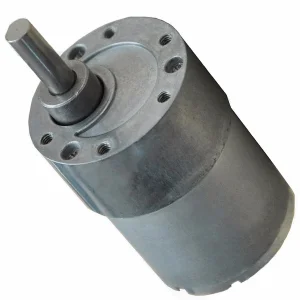
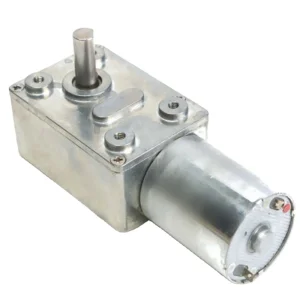
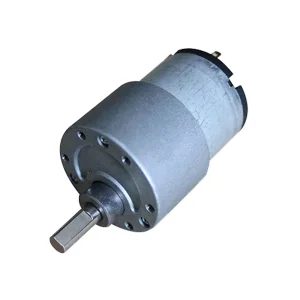
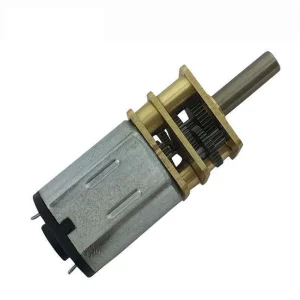
Integrating spur gearboxes, planetary gear systems, or custom worm drives to optimize speed and step-down ratios for high startup torque applications.
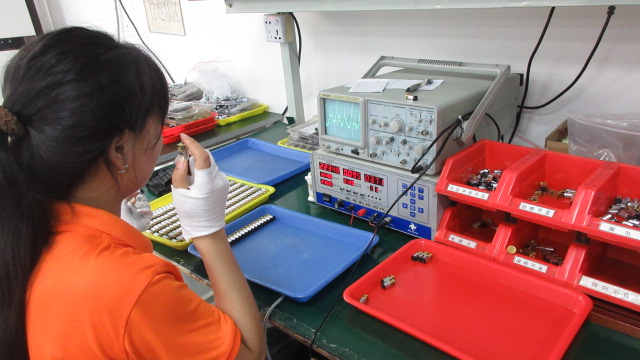
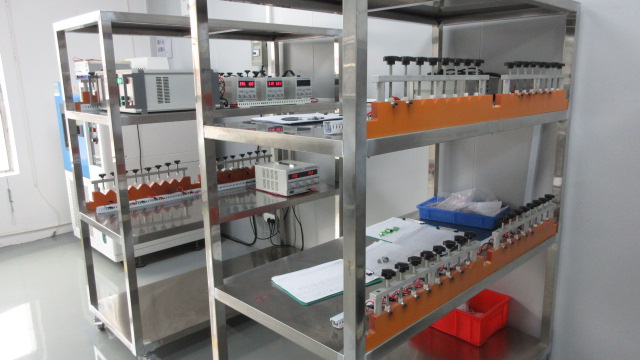
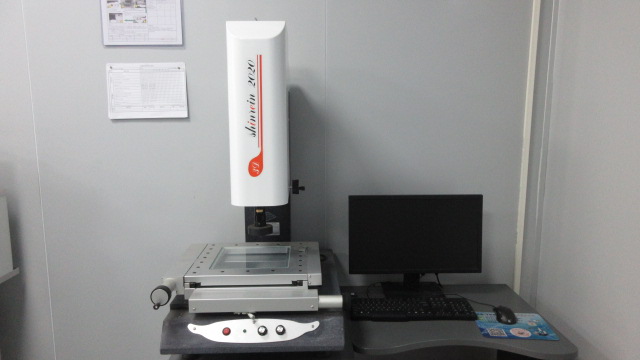
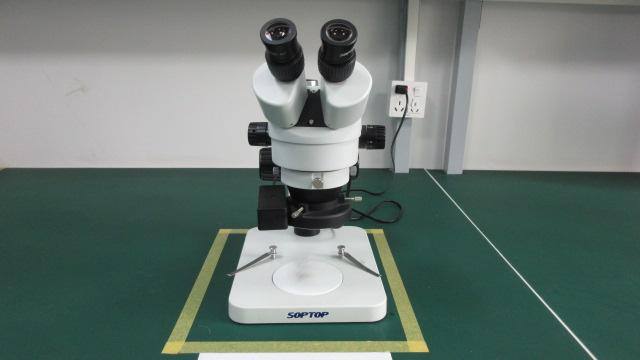
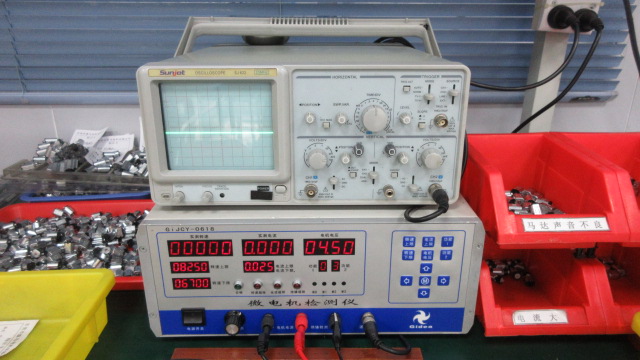
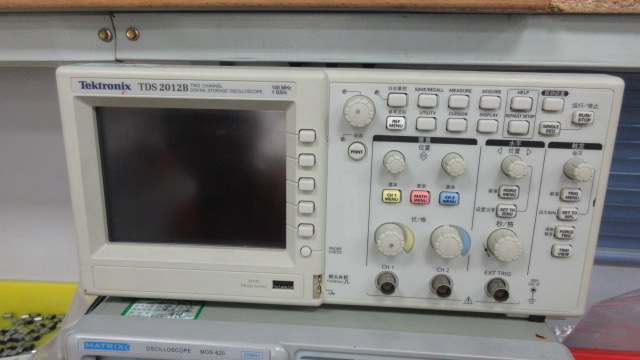
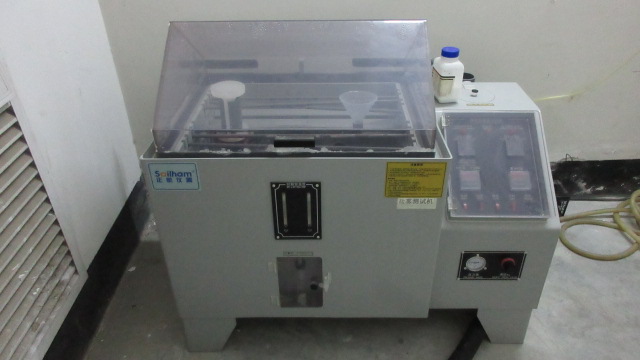
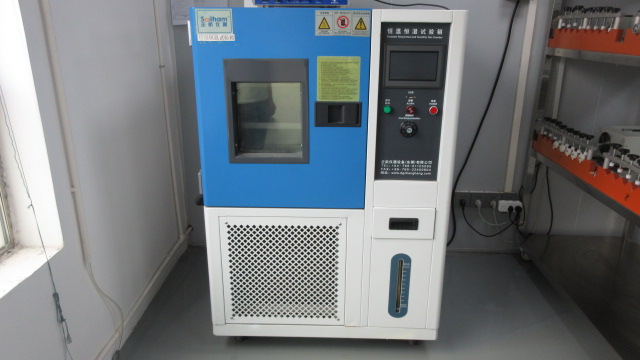
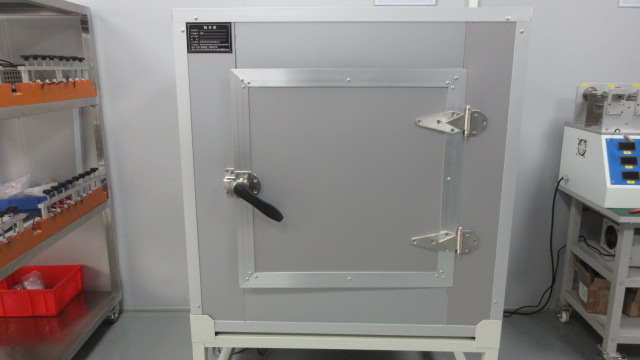
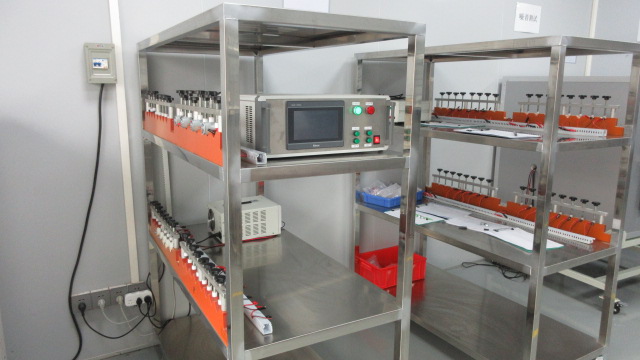
Industrial transparency through ISO9001 certified manufacturing and advanced testing systems.
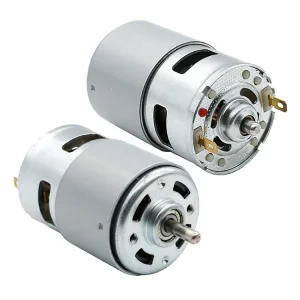
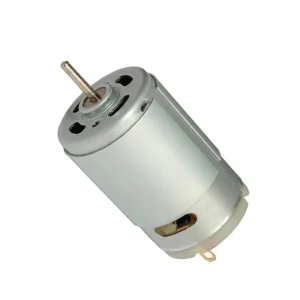
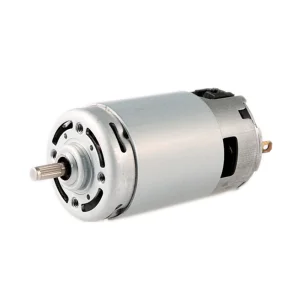
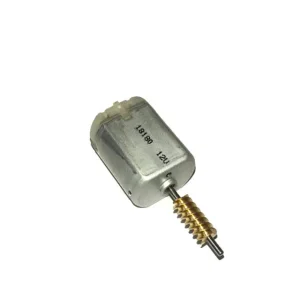
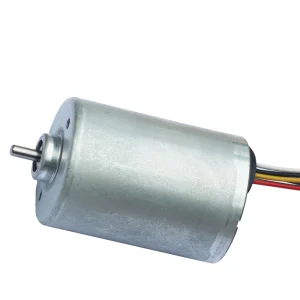
Welcome to VortexB2B, where the physics of advanced rotation meets world-class manufacturing efficiency. As a premier, ISO9001-certified factory based in China, we specialize in the R&D, custom engineering, and mass production of high-performance Micro DC Motors, DC Gear Motors, and Brushless DC Motors (BLDC). The name Vortex represents the powerful electromagnetic forces at the heart of our drives; B2B dictates our absolute dedication to seamless, hassle-free global supply chain partnerships.
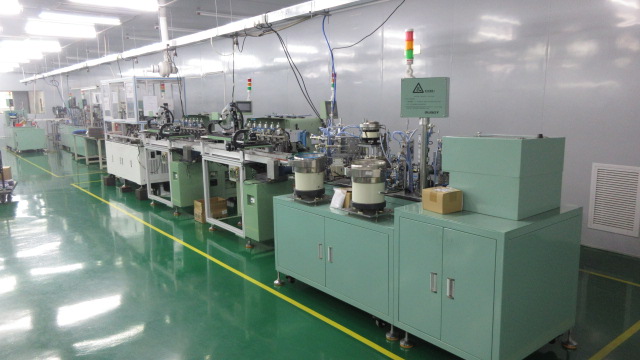
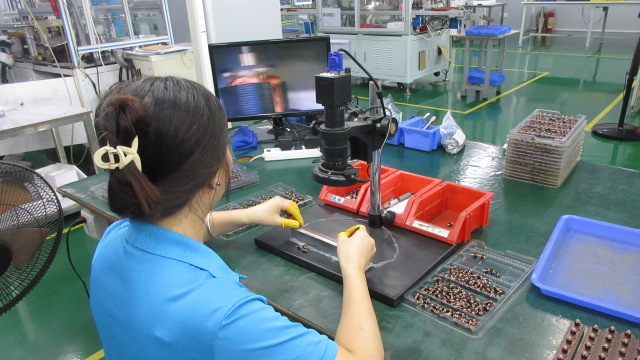
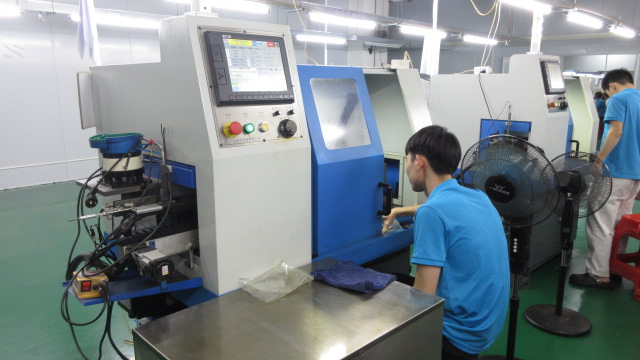
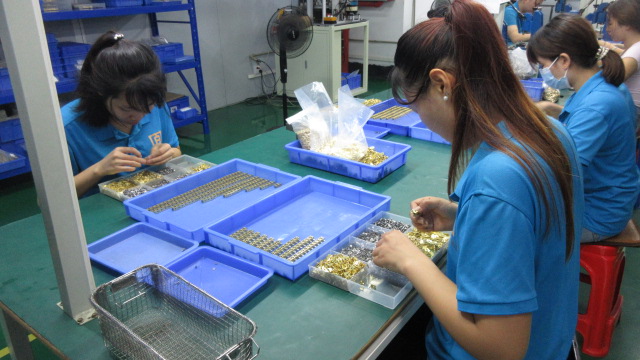
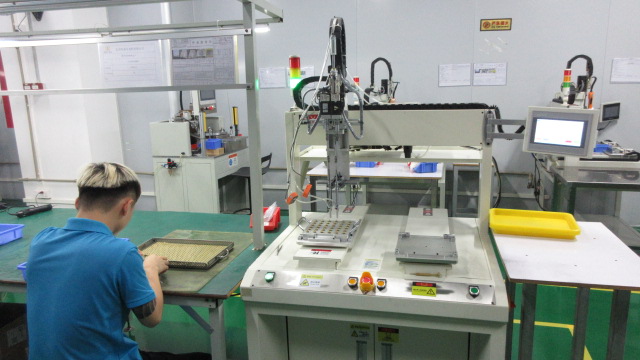
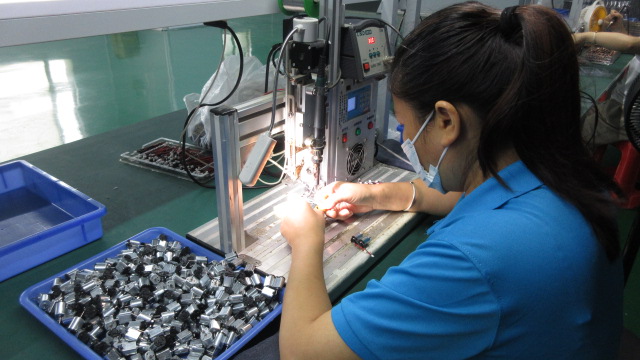
For twenty years, VortexB2B has been the silent power behind the world's smartest devices. From high-end medical pumps and automotive electronics to smart home automation and precision robotics, our micro-drives are chosen by global OEM buyers for their exceptional power-to-size ratio, whisper-quiet acoustics, and enduring operational lifespans. We control the entire lifecycle of production, utilizing automated assembly and strict 100% in-house quality inspection to guarantee that every unit leaves our facility performing flawlessly.
We understand that true B2B success lies in flexibility. That is why VortexB2B thrives on 100% custom-engineered solutions. Backed by an elite technical team holding multiple industry patents, we provide rapid prototyping and factory-direct technical support. Whether you require specific voltage tuning, custom shaft modifications, or bespoke gear ratios, we engineer the robust drive that keeps your business moving forward.
Take a visual tour of our production floor and specialized testing laboratories.
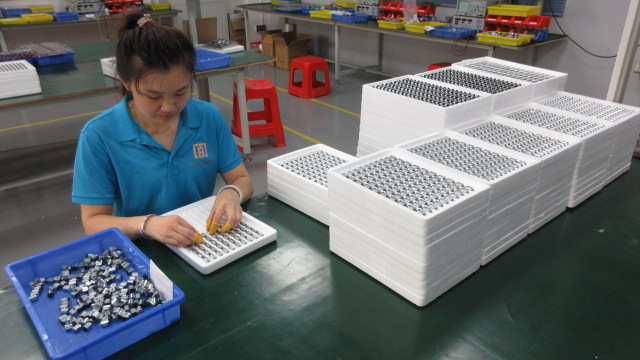
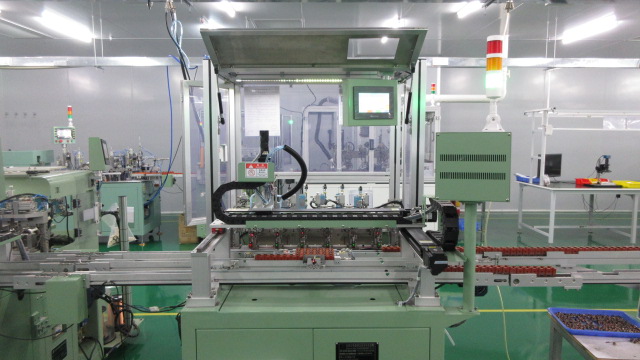
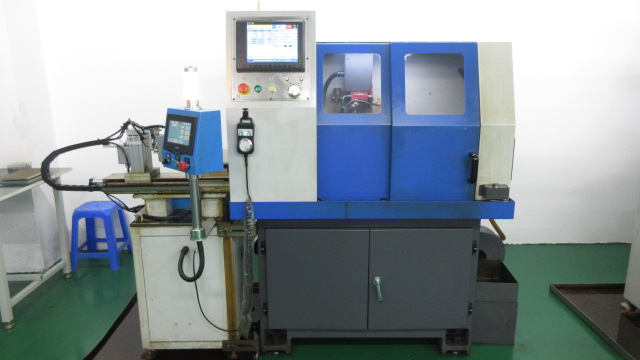
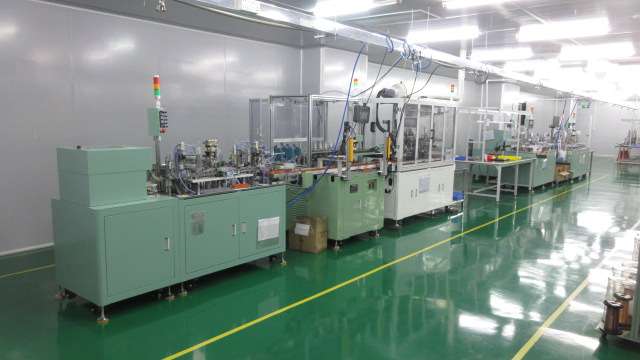
Why industrial scale, raw material access, and manufacturing automation deliver competitive cost-to-performance ratios.
The global competitiveness of Chinese electric motor exporters goes beyond low labor costs. It is built on a highly integrated supply chain ecosystem. The Pearl River Delta and Yangtze River Delta industrial clusters offer immediate proximity to raw material producers, refining centers, component manufacturers, and logistics hubs.
The strategic advantages of locating advanced manufacturing in China include:
Analyzing how specific operating conditions dictate motor architecture, shielding, and life cycles.
Electric drive motors must adapt to the physical realities of their applications. Modern B2B buyers evaluate motor performance against a range of operating environments:
Car door lock systems and window regulators rely on compact brushed DC motors. These applications require high lock-rotor torque, resistance to vibrations, and reliability across operating temperatures from -40°C to +85°C.
Automated window treatments, robotic vacuums, and personal fans require compact, low-noise BLDC motors. These systems require integrated speed-control electronics to run quietly and extend battery life.
Syringe pumps and diagnostic machines require precise positioning. Miniature gear motors and stepper configurations provide high repeatability, minimal electrical noise, and low thermal output to prevent overheating delicate fluids.
Technical metrics to assess manufacturing capability, design verification, and product consistency.
Global sourcing managers must balance upfront unit costs against the long-term total cost of ownership. The following key steps help verify a supplier's engineering and manufacturing capabilities:
The convergence of smart electronics, coreless topologies, and automated motion diagnostics.
The miniature motor industry is moving beyond simple power conversion towards smart, integrated drive systems. Several key trends are shaping the future of micro-motors:
Modern microcontrollers run Field Oriented Control (FOC) algorithms directly on motors without external Hall sensors, improving reliability and reducing connection complexity.
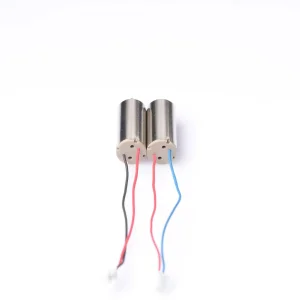
Coreless designs eliminate iron cores to prevent magnetic cogging. This results in very low rotor inertia, allowing rapid acceleration and deceleration cycles for high-speed micro drones and medical devices.
Advanced micro-gearheads combine planetary gearboxes directly within the motor housing, delivering high torque outputs while keeping the motor's diameter compact.
Engineered to meet international industrial standards for speed, noise, and operating life.
Technical guidance and industry best practices for selecting and integrating micro electric motors.