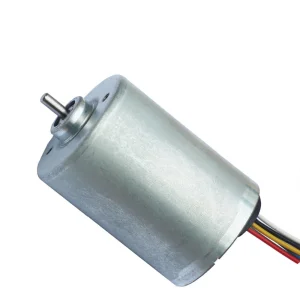
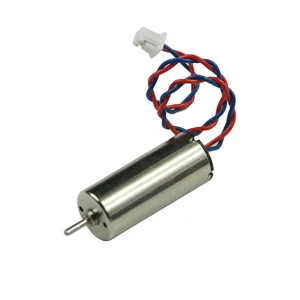
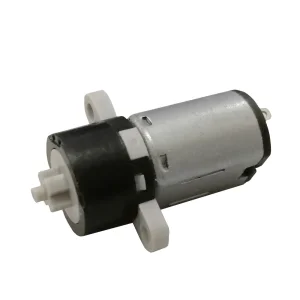
CE Certified DC Controller Manufacturers & Global Supply Partners

Pioneering High-Precision Micro-Drives, Intelligent BLDC Control Systems, and Certified Electromagnetic Infrastructure for Global OEMs.

1. Overview of CE Certified DC Controllers in Modern Industrial Operations

In the current landscape of global automation, the demand for high-reliability, low-voltage direct current (DC) controllers is growing rapidly. From brushless DC (BLDC) motors running high-speed applications to precise brush micro-drives, the central intelligence of any motorized unit lies in its controller. A CE Certified DC Controller ensures that the equipment meets all essential safety, health, and environmental protection requirements within the European Economic Area (EEA). More than just a compliance checkbox, CE marking confirms that a controller has undergone rigorous testing for electromagnetic compatibility (EMC), low voltage directives, and thermal safety under variable load configurations.

At VortexB2B, we bridge the gap between advanced mechanical rotation and intelligent electrical control. Leveraging over twenty years of dedicated research and development, we formulate control boards that manage voltage surges, dynamic torque changes, and signal interference. By pairing certified controllers with micro-drives, we minimize electromagnetic pollution and guarantee high system efficiency.

“True E-E-A-T (Experience, Expertise, Authoritativeness, and Trustworthiness) in motor manufacturing is demonstrated not through promises, but through controlled, repeatable processes, documented compliance, and structural transparency. VortexB2B operates on automated production lines with 100% in-house quality inspection.”

20+
Years of R&D
100%
In-House Testing
ISO9001
Certified Facility
CE & RoHS
Global Compliance

2. The Strategic Advantages of Chinese Factories in DC Controller Production

China's micro-drive manufacturing industry has transitioned from high-volume assembly to high-precision engineering. For procurement officers and OEMs worldwide, partnering with a professional Chinese factory like VortexB2B offers clear strategic advantages:

  • Complete Supply Chain Integration: From raw rare-earth neodymium magnets to advanced printed circuit board assemblies (PCBA) and precision hobbed gears, every component is sourced and processed within a tight geographic area, cutting logistics lead times and reducing component mismatch risks.
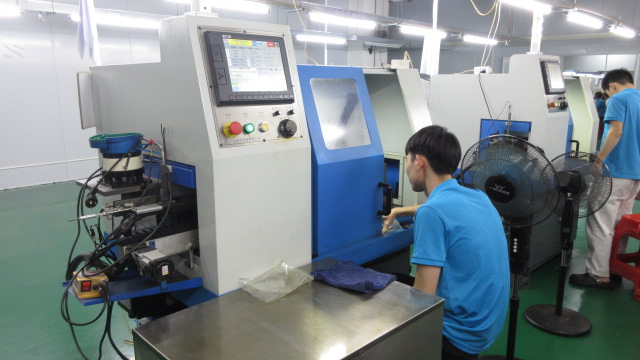
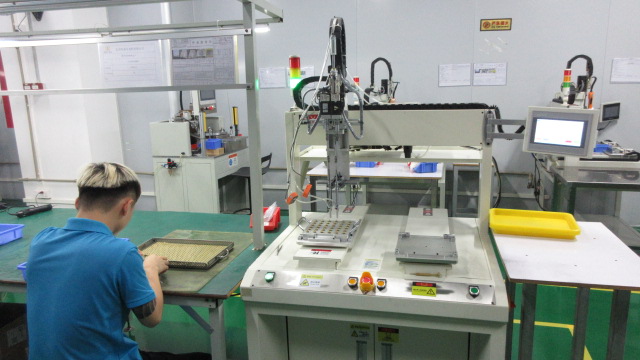
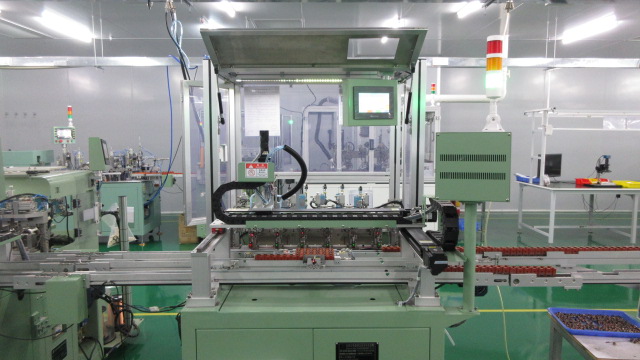
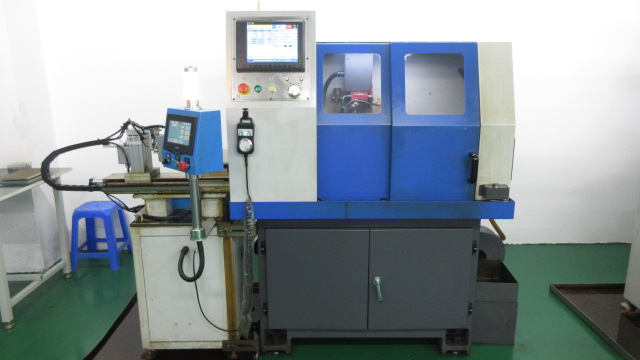
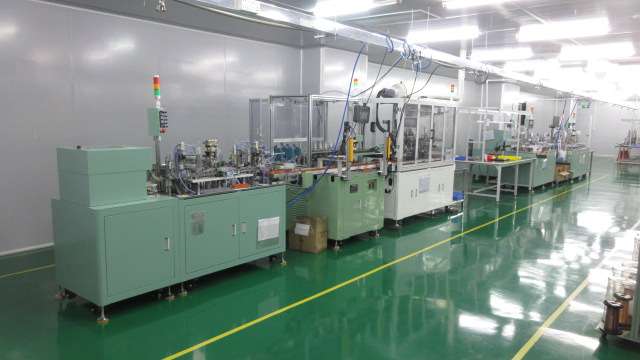
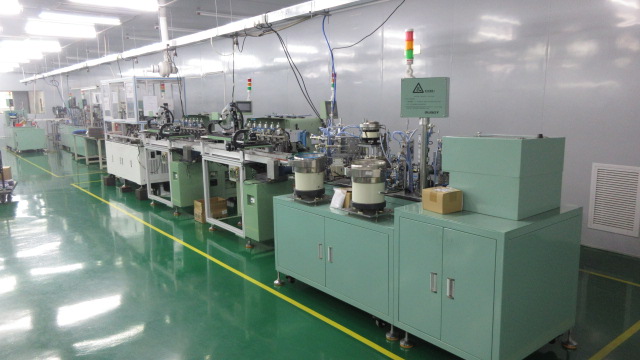
  • Advanced Automated Machining: Modern Chinese manufacturing utilizes advanced automated winding, automated pressing, and robotic soldering systems to guarantee dimensional consistency and eliminate human error in high-volume production runs.
  • Agility in Customized Engineering: Unlike factories with rigid production templates, VortexB2B thrives on 100% custom-engineered solutions. We rapidly prototype custom motor shafts, tune winding configurations for specific voltages, and program customized firmware for BLDC controller PCBAs.
  • Competitive Cost-Efficiency: Scale economies, optimized power management, and local raw material availability allow us to produce high-end micro-drives at a fraction of the cost of Western competitors, without compromising on materials or certification requirements.

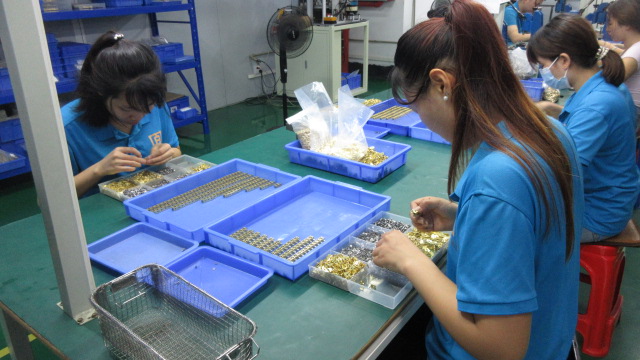
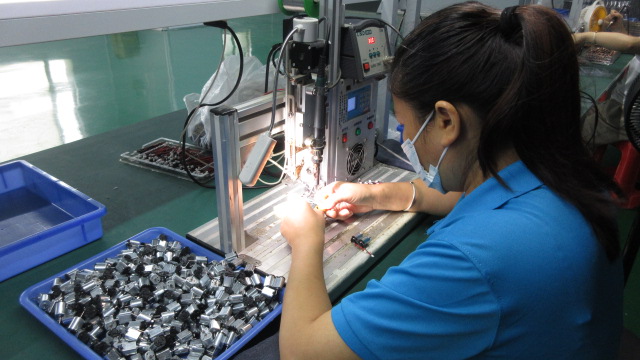
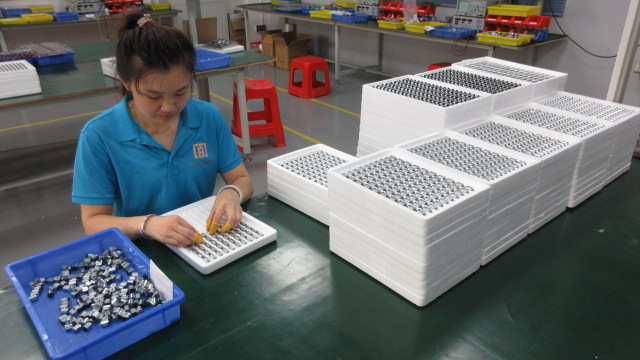
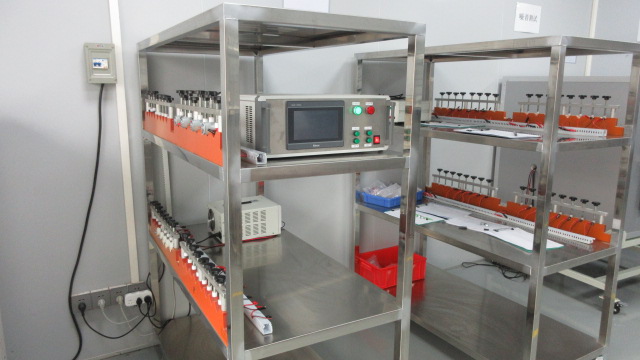
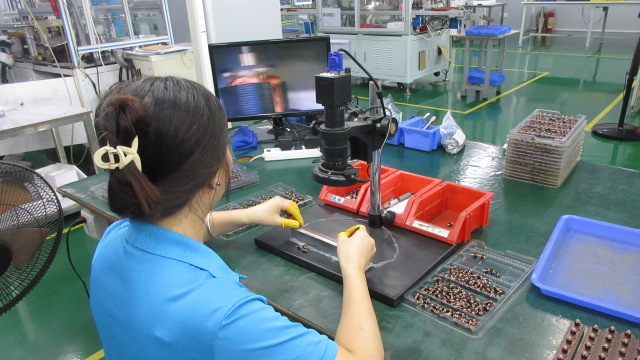
End-to-End Automated Manufacturing & Testing Facility

Direct insight into VortexB2B's advanced production environment, utilizing modern industrial automation and precision diagnostics.
3. Micro-Drive & DC Controller Technology Trends

The micro-drive industry is undergoing a significant shift driven by three primary technological demands: miniaturization, integration, and communication networking. Modern engineering projects no longer view the motor and controller as separate components. The trend is moving toward integrated, smart motor packages.

Key advancements include:

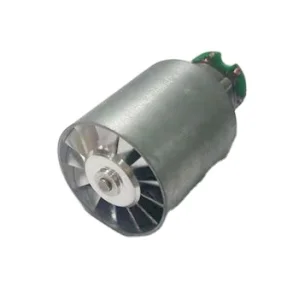
  • Closed-Loop High-Speed Operations: Moving past standard open-loop step structures, modern applications (such as our 100,000 RPM Brushless Motor for Hair Dryers) require closed-loop control feedback. Controllers use back-EMF or integrated Hall sensors to adjust speed under load changes dynamically.
  • FOC (Field Oriented Control) Algorithms: Vector control algorithms are increasingly replacing trapezoidal commutation. FOC drives brushless DC motors with sinusoidal current patterns, yielding quieter performance, lower heat dissipation, and higher torque efficiency.
  • Wide Bandgap Semiconductor Integration: Using Gallium Nitride (GaN) or Silicon Carbide (SiC) switches inside motor controllers allows for higher switching frequencies, reducing physical controller sizes while improving thermal management.

4. Global Enterprise Procurement Demands

When sourcing CE-certified control systems from overseas partners, international engineering teams look for structured risk mitigation:

Regulatory Alignment: Controllers must meet electromagnetic compatibility (EMC directive 2014/30/EU) to ensure they do not interfere with nearby medical, consumer, or industrial wireless networks.

Reliability Under Extreme Environments: Buyers require documentation proving moisture, vibration, and thermal resilience. Our manufacturing tests confirm operational capability from -40°C to +85°C.

Typical Controller & Motor Specs

Input Voltage Range 3V - 220V DC / AC
Max Rotational Speed 100,000 RPM (Closed-Loop)
Control Algorithms FOC, PWM, Trapezoidal
Certifications CE, RoHS, ISO9001:2015
Customization Options Shaft, Flange, Winding, PCBA

5. Industry Solutions & Localized Application Scenarios

Our motor and controller pairings are deployed across various high-demand applications:

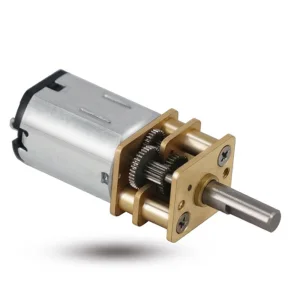
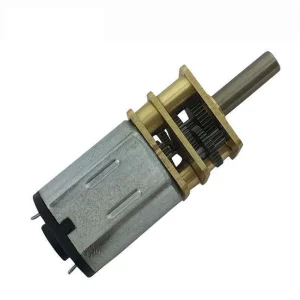
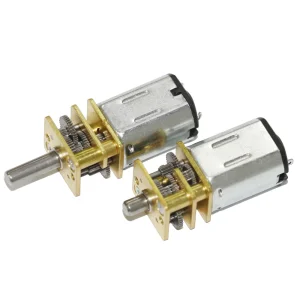
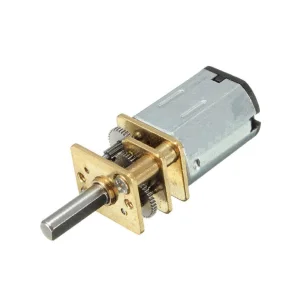
  • Smart Robotics & Automated Guided Vehicles (AGVs): Utilizing micro-gearmotors (like the N20 series) combined with micro-step controllers, automated guide systems navigate tight warehouse environments with sub-millimeter precision.
  • Personal Care Devices: High-speed AC/DC brushless controllers (such as those in 100,000 RPM hair dryer systems) require microsecond response times and thermal overload protection to ensure safe consumer operation.
  • Automotive Actuators & Door Systems: Brushed and brushless gearmotors handle power folding mirrors, trunk latches, and window lifts, requiring high starting torque and quiet operation.
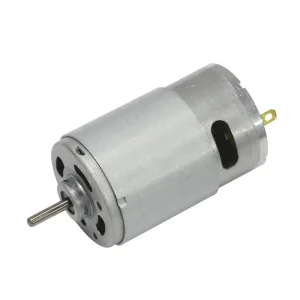
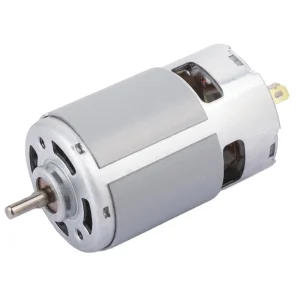
  • Precision Fluid Dynamics: Custom controllers drive high-speed micro water pumps (such as the RS 775 series) to manage flow rates in medical cooling circuits and small industrial systems.

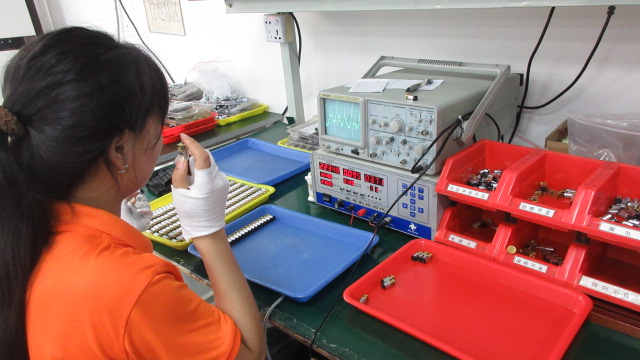
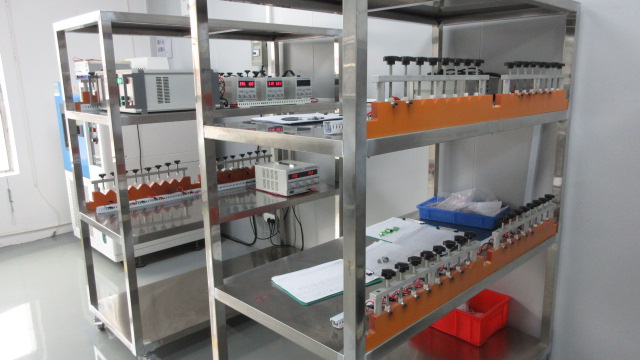
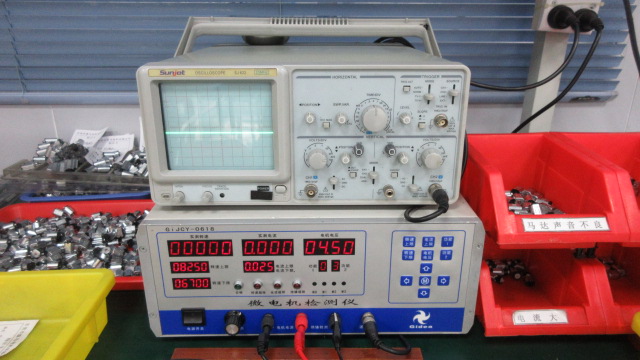
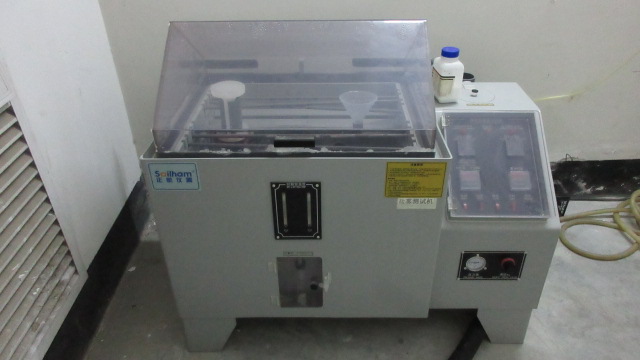
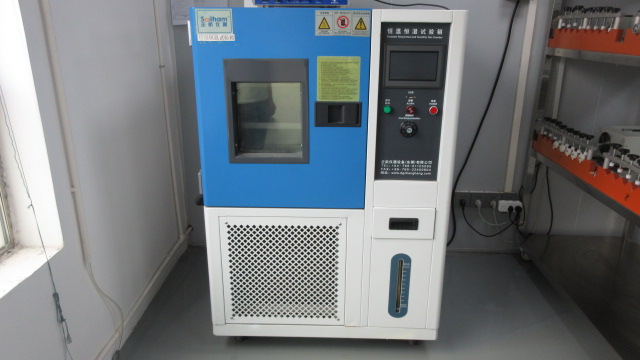
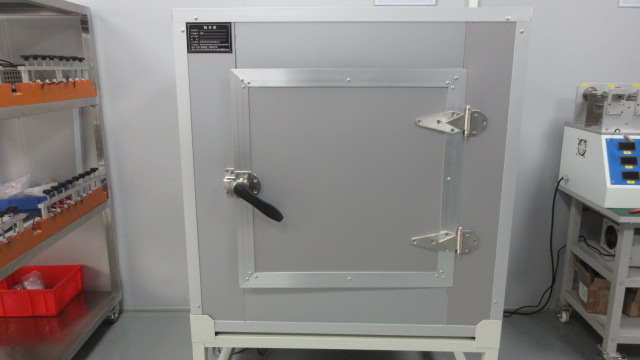
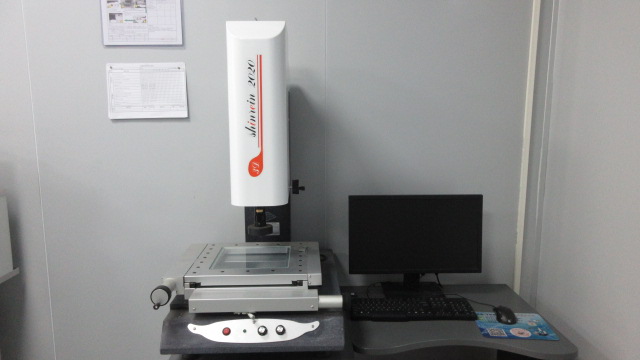
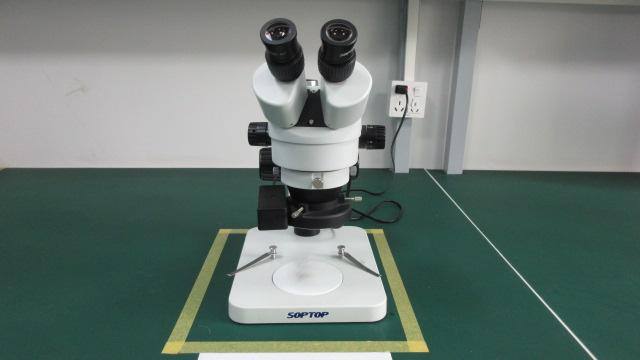
Quality Control & Precision Diagnostic Instruments

Ensuring compliance through our advanced metrology and environmental verification laboratory equipment.
Technical Q&A: DC Controller Engineering

Get answers to common technical, manufacturing, and regulatory questions from VortexB2B's engineering team.

Q1: What are the main requirements for a DC controller to receive CE certification?
To achieve CE certification, a DC controller must comply with the Electromagnetic Compatibility (EMC) Directive 2014/30/EU, ensuring it does not generate electromagnetic interference and remains immune to environmental disturbances. It also needs to meet the Low Voltage Directive (LVD) 2014/35/EU (for relevant voltage thresholds) and the RoHS Directive to verify the absence of hazardous substances.
Q2: How does VortexB2B control electromagnetic interference (EMI) at the board level?
We design our PCB layouts with dedicated ground planes, place decoders close to active switches, use ferrite beads on power inputs, and apply RC snubber networks across switching components. This layout reduces radiative emissions and satisfies CE EMC requirements.
Q3: Can your controllers support both brushed and brushless DC motors?
Yes, we provide distinct, optimized control topologies. Brushed DC motors are driven using H-bridge PWM controllers. Brushless (BLDC) motors require 3-phase inverter circuits managed by microcontrollers running trapezoidal or field-oriented control (FOC) software.
Q4: What testing equipment is used to verify motor and controller quality?
Our quality assurance process uses a Coordinate Measuring Machine (CMM) for mechanical precision, a DC Motor Comprehensive Tester, Digital Oscilloscopes for transient signal evaluation, a Salt Spray Test Chamber for environmental durability, a Constant Temperature and Humidity Chamber, and a dedicated Soundproof Room for acoustic noise level checks.
Q5: How does closed-loop control improve performance in high-speed applications?
Closed-loop control monitors rotor position using back-EMF, Hall sensors, or optical encoders. The controller compares the motor's actual speed to the target speed and adjusts the PWM duty cycle in real-time, maintaining stable speeds under variable load conditions.
Q6: What customization options do you offer for high-volume OEM orders?
We offer full customization of the physical motor structure (including custom shafts, planetary gearheads, and mounting flanges) alongside electrical customization (such as specialized winding configurations, customized connector leads, and custom-programmed control firmware).
Q7: How do your gearmotors handle high-torque startup requirements?
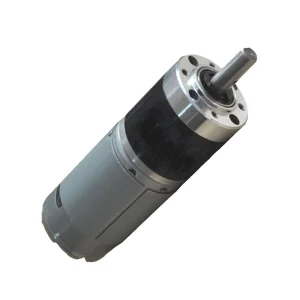
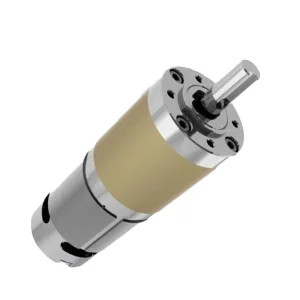
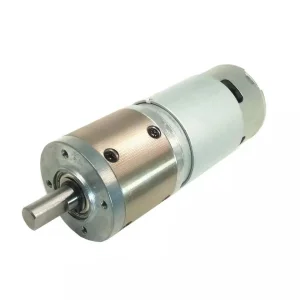
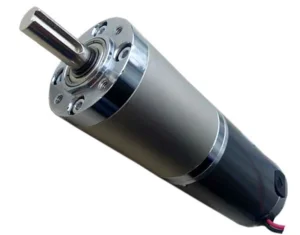
We pair high-efficiency micro motors with custom-engineered planetary gearboxes (such as our 42mm and 45mm series). The gear reduction scales up torque output, allowing the system to handle heavy mechanical loads while managing current spikes during startup.
Q8: What is your standard lead time for prototyping and production runs?
Standard motor and controller prototypes are typically delivered in 7 to 15 days. Mass production lead times range from 25 to 35 days, depending on order size and custom engineering specifications.
Q9: Do your products comply with RoHS and REACH environmental regulations?
Yes, all materials and manufacturing processes are fully compliant with RoHS and REACH. We use lead-free solder and select non-toxic polymers and metals to ensure safe recycling and environmental safety.
Q10: How do I select the best controller and motor pairing for my project?
Start by identifying your key operational requirements: input voltage, continuous torque, target speed, and mounting constraints. Contact our technical support team, and our engineers will help you select or design the optimal motor and control system pairing.